/æ/as in cat
You likely use your single Mandarin low vowel 'a' for the vowel in 'cat', 'hand', and 'apple', since Mandarin doesn't have a dedicated front, open vowel at this exact position.
What you probably do
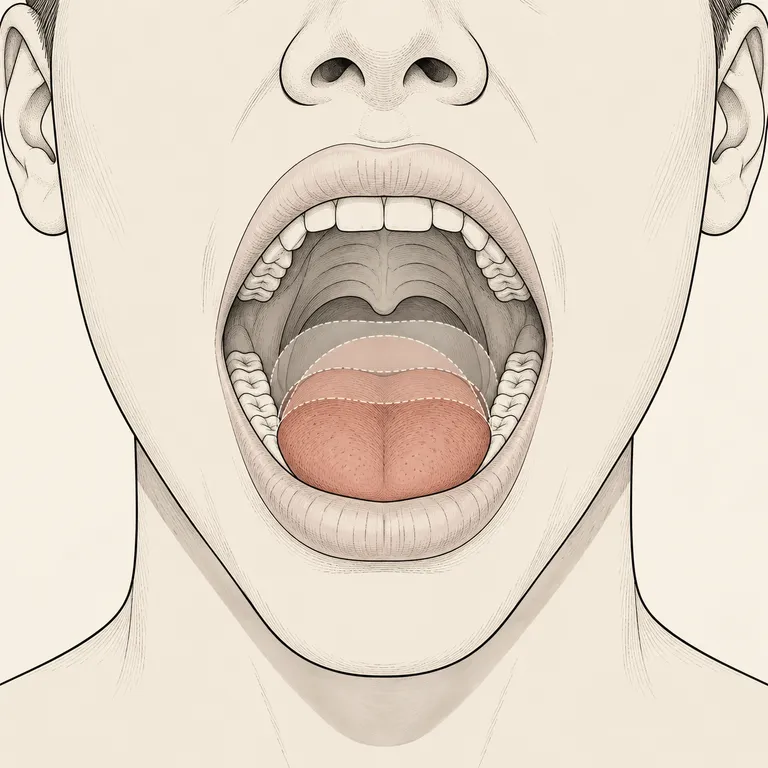
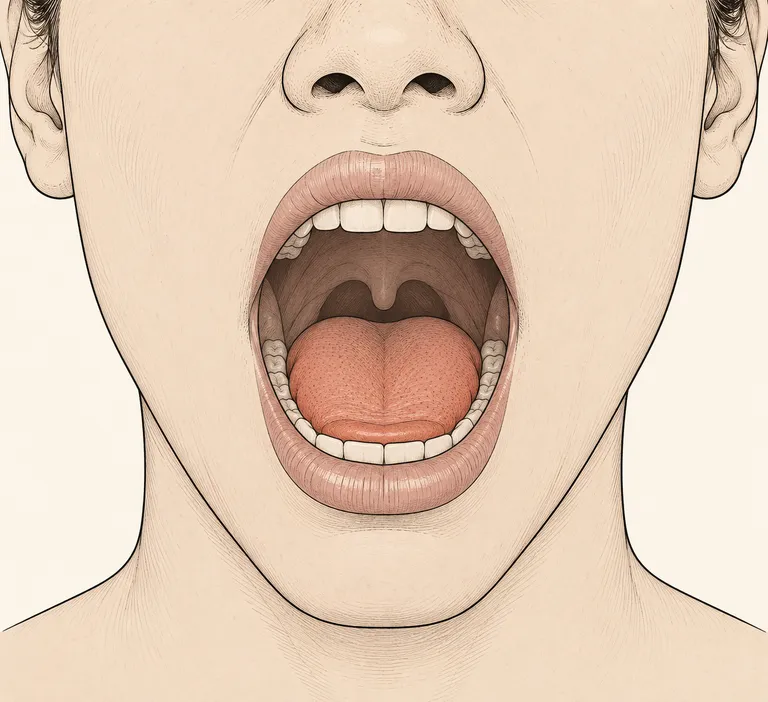
You likely use your single Mandarin low vowel 'a' for the vowel in 'cat', 'hand', and 'apple', since Mandarin doesn't have a dedicated front, open vowel at this exact position. This same 'a' may also be doing double or triple duty for other English vowels you'll meet in words like 'cot' and 'cut'.
How natives do it
Americans drop the jaw wide open, almost like starting a yawn, and push the front of the tongue low and clearly forward, keeping the tip resting behind the lower front teeth. This is the flat 'a' in 'cat', and English opens the jaw and fronts the tongue more here than Mandarin's all-purpose low vowel does.
Why it matters
Because one Mandarin vowel is standing in for three separate English categories, mixing up æ, ɑ, and ʌ is extremely common and can turn 'cat' into something closer to 'cot' or 'cut' for the listener. Of all the English vowels, pushing this one further forward and more open is one of the most valuable corrections for intelligibility.
Hear the difference
Words this touches
Mandarin Chinese speakers often substitute /a/.
How the mouth differs
Mandarin has no front low vowel matching English æ; its single low vowel 'a' is more open, central, and flexible in backness depending on context. Learners typically use this one Mandarin 'a' for English æ, ɑ, and ʌ alike, collapsing three distinct English vowel categories into one.
Listen for the pattern
Because one Mandarin vowel stands in for three separate English vowels, listeners frequently cannot tell whether a learner intended 'cat', 'cot', or 'cut', making this one of the highest-impact vowel issues for Mandarin-speaking learners.
Practise it
Hear the Difference: 'a' as in Cat vs. 'e' as in Bed
sourced- Gather a list of 8-10 minimal pairs like bad/bed, man/men, sat/set, pan/pen.
- Have a recording, app, or partner say one word from each pair in random order.
- Guess which word you heard before checking: the wider, more open word or the other one.
- Check your guess immediately against the answer key.
- Replay any pair you missed at least three times, focusing on how open the jaw sounds.
- Repeat the full list until you score 90% or better on two rounds in a row.
Success check: You correctly identify at least 9 out of 10 words on two consecutive rounds, especially telling 'bad' apart from 'bed'.

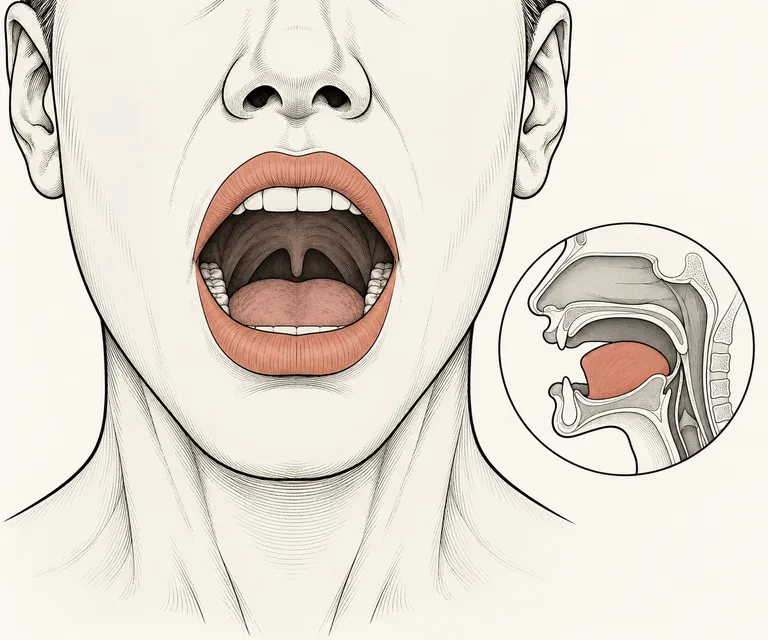
Why this works. Forced-choice identification of æ/ɛ minimal pairs (bad/bed, man/men, sat/set) trains listeners to detect the jaw-opening cue that distinguishes the two categories. Learners whose L1 has only one open-mid front vowel (e.g., Hungarian, Spanish) tend to perceptually merge the pair, matching the L1-category-mapping pattern documented for other non-native contrasts.
Sources (1)
- Distinguishing universal and language-dependent levels of speech perception: Evidence from Japanese listeners' perception of English “l” and “r” — Virginia A. Mann, 1986
- Japanese listeners successfully discriminate the acoustic properties of English /l/ and /r/ when presented with non-English contrasts, ruling out a universal hearing deficit.
- The primary source of error is language-dependent categorization, where listeners map English sounds onto their existing L1 phonological categories (e.g., classifying both as liquids).
- Performance improves significantly when the acoustic contrast between /l/ and /r/ is exaggerated or presented in contexts that highlight their distinctiveness.
Drill Sentence: Dad's Black Cat
sourced- Read this drill sentence silently: 'Dad's black cat sat on the flat mat and had a snack.'
- Underline every word containing the target sound (Dad's, black, cat, sat, flat, mat, had, snack).
- Say the sentence slowly, deliberately dropping your jaw wide for each underlined word.
- Record yourself saying the sentence at a natural conversational speed.
- Play it back and check that each underlined word sounds clearly wide and open, not like 'bed' or 'set'.
- Repeat three times, gradually increasing speed while keeping the jaw drop consistent.
Success check: On playback, every underlined word keeps a wide-open quality even at natural speed, with none of them drifting toward 'e'.
Why this works. Embedding æ words in a connected sentence tests whether the wider jaw-opening gesture survives coarticulation with neighboring consonants and normal speaking rate, a stronger test of stable category formation than isolated word production; sentence-level practice has been shown to produce larger production gains than isolated words.
Sources (1)
- Using multiple measures to document change in English vowels produced by Japanese, Korean, and Spanish speakers: the case for goodness and intelligibility. — Amber D Franklin, Carol Stoel-Gammon, 2014
- Both goodness ratings and intelligibility scores effectively captured improvements in vowel accuracy following pronunciation training.
- The relationship between goodness and intelligibility varies by vowel; vowels like /æ/ and /ʌ/ depend more on goodness for listener identification than /i/ and /e/.
- Some vowels received better mean intelligibility scores but poorer mean goodness ratings after training, indicating that high intelligibility does not always require high perceived quality.
Exaggerate Then Normalize: The Wide-Open 'a' Sound
sourced- Say 'cat' with an exaggerated, almost cartoonish wide jaw drop, holding the vowel for twice its normal length.
- Repeat this exaggerated version five times, focusing on how different it feels from 'bed'.
- Gradually shorten the exaggerated hold by about half, keeping the same wide quality.
- Shorten it again until the duration feels close to normal conversational speed.
- Record yourself at this more natural speed and compare it to a native model.
- If it starts drifting back toward the 'e' sound, return to the exaggerated version for a few reps before trying again.
Success check: You can move smoothly from an exaggerated, obviously wide 'cat' down to a natural-speed 'cat' without losing the wide-open vowel quality.
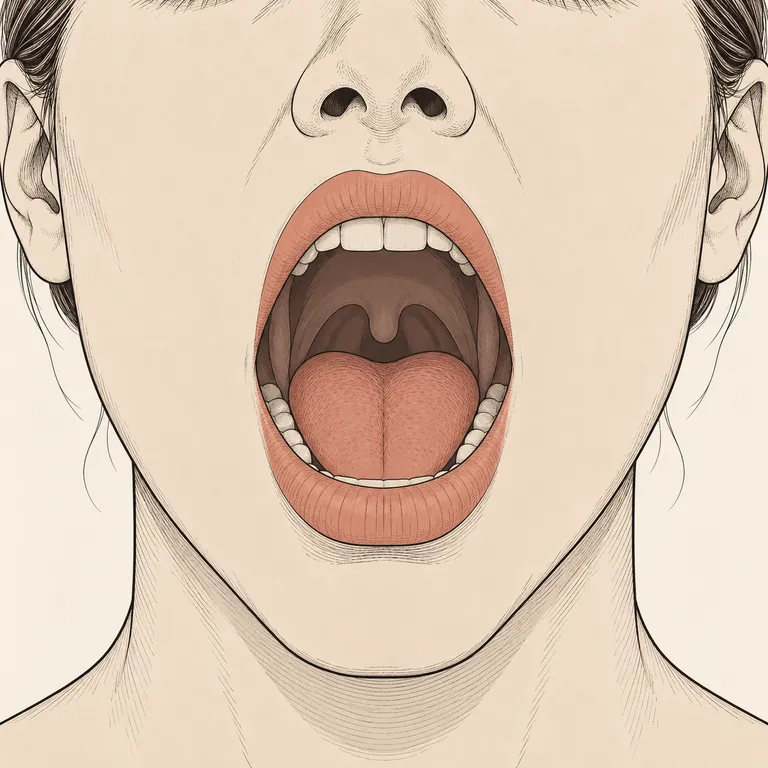
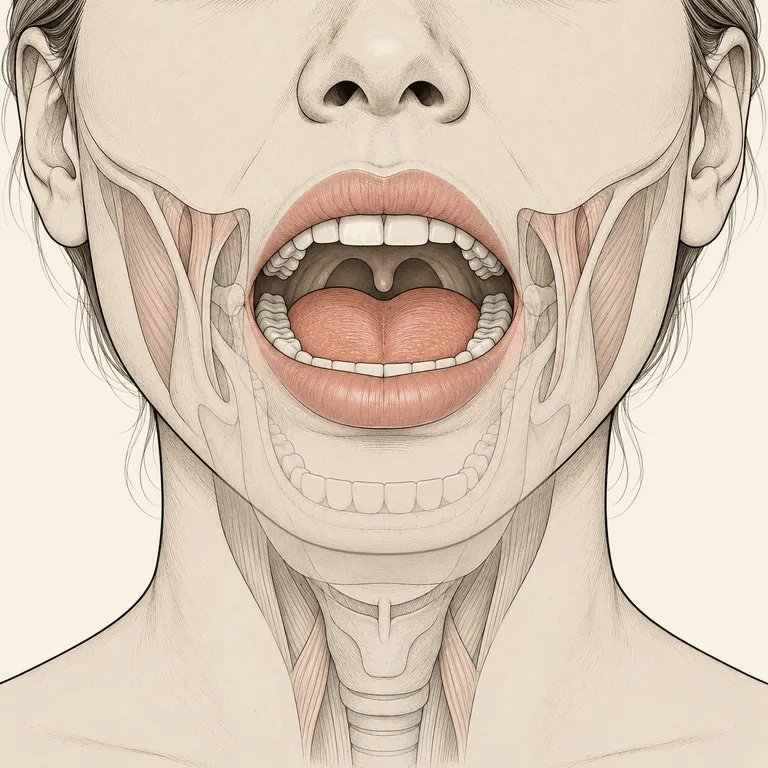
Why this works. Temporarily overshooting the jaw drop for æ, dropping the jaw further than natural speech requires and holding the open quality longer, exaggerates the acoustic distance from the L1 ɛ substitute and sharpens the learner's own kinesthetic and auditory feedback. The exaggerated form is then dialed back toward natural speech, consistent with research showing acoustic and temporal exaggeration during training improves categorical perception and generalizes to natural production.
Sources (2)
- The Role of Temporal Acoustic Exaggeration in High Variability Phonetic Training: A Behavioral and ERP Study — Bing Cheng, Xiaojuan Zhang, Siying Fan et al., 2019
- The HVPT-E group showed greater improvement in natural word identification performance compared to the standard HVPT group.
- Training with temporal acoustic exaggeration induced native-like categorical perception based on spectral cues.
- MMN responses demonstrated training-induced changes at pre-attentive neural levels, suggesting enhanced brain plasticity.
- Distinguishing universal and language-dependent levels of speech perception: Evidence from Japanese listeners' perception of English “l” and “r” — Virginia A. Mann, 1986
- Japanese listeners successfully discriminate the acoustic properties of English /l/ and /r/ when presented with non-English contrasts, ruling out a universal hearing deficit.
- The primary source of error is language-dependent categorization, where listeners map English sounds onto their existing L1 phonological categories (e.g., classifying both as liquids).
- Performance improves significantly when the acoustic contrast between /l/ and /r/ is exaggerated or presented in contexts that highlight their distinctiveness.
Feel the Difference: Bad vs. Bed
sourced- Stand in front of a mirror and say 'bed', noticing how far your jaw opens.
- Now say 'bad', deliberately dropping your jaw noticeably wider than for 'bed'.
- Alternate bed-bad-bed-bad five times, watching your jaw in the mirror each time.
- Record yourself saying five more pairs (man/men, sat/set, pan/pen).
- Play back the recording and judge whether 'bad' clearly sounds more open than 'bed'.
- Repeat, exaggerating the jaw drop slightly if the two words still sound too similar.
Success check: On playback, 'bad' sounds clearly more open and lower than 'bed', and a listener could reliably tell them apart.
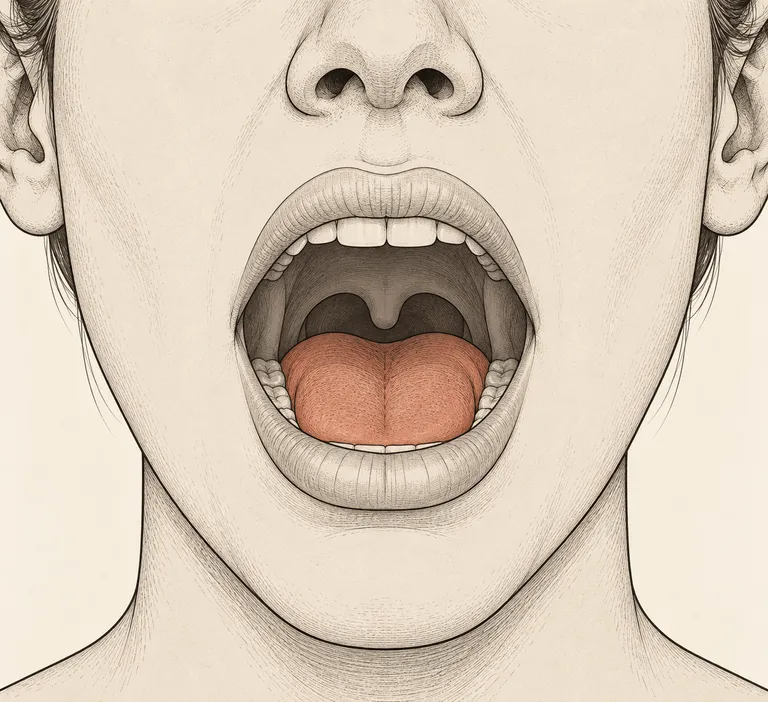
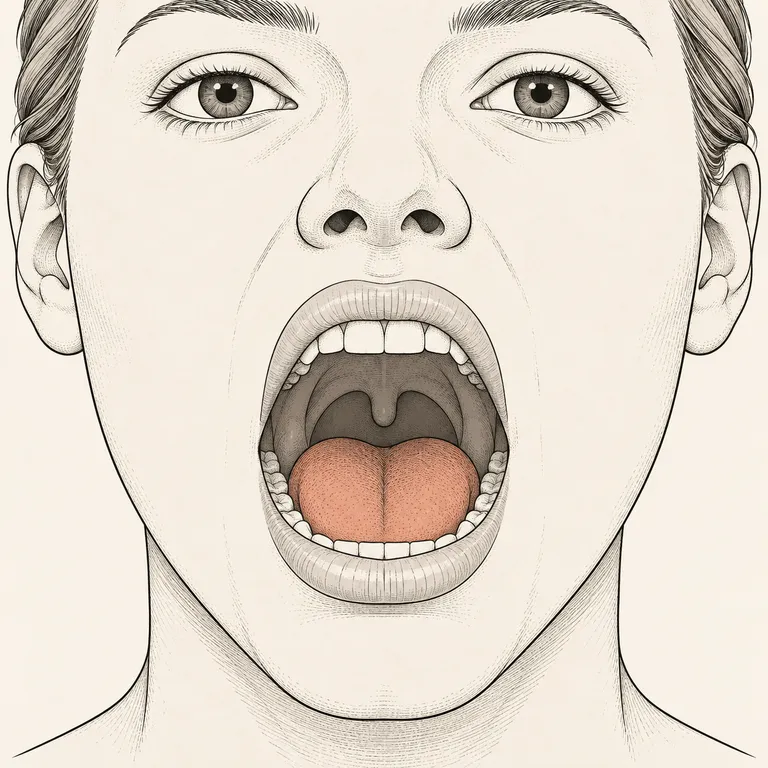
Why this works. Alternating production of æ/ɛ minimal pairs forces an active, larger jaw-opening gesture for æ immediately next to the smaller opening for ɛ, making the required range of jaw movement explicit and measurable rather than left as an unconscious habit that keeps reusing the smaller L1-based opening. Because listener judgments of /æ/ depend heavily on perceived vowel quality rather than just recognizability, deliberately exaggerating the jaw-opening contrast in practice targets the dimension listeners actually rely on.
Sources (2)
- Wells, J.C. (1982). Accents of English.
- Using multiple measures to document change in English vowels produced by Japanese, Korean, and Spanish speakers: the case for goodness and intelligibility. — Amber D Franklin, Carol Stoel-Gammon, 2014
- Both goodness ratings and intelligibility scores effectively captured improvements in vowel accuracy following pronunciation training.
- The relationship between goodness and intelligibility varies by vowel; vowels like /æ/ and /ʌ/ depend more on goodness for listener identification than /i/ and /e/.
- Some vowels received better mean intelligibility scores but poorer mean goodness ratings after training, indicating that high intelligibility does not always require high perceived quality.
Borrow the Yawn: From a Wide-Open Jaw to the 'a' Sound
generated- Start a wide, relaxed yawn and notice how far your jaw drops open.
- Freeze that same wide-open feeling in your jaw before the yawn finishes.
- While keeping that width, bring your tongue forward and slightly up, as if starting to say 'ah' but with the tongue front.
- Say the word 'cat' right from that position.
- Compare it to saying 'bed', noticing the jaw is much wider for 'cat'.
- Repeat five times, going from the yawn feeling to the target sound and back, until it feels automatic.
Success check: You can trigger the wide-jaw feeling on demand and land directly on a natural-sounding 'a' without over-thinking your tongue position.
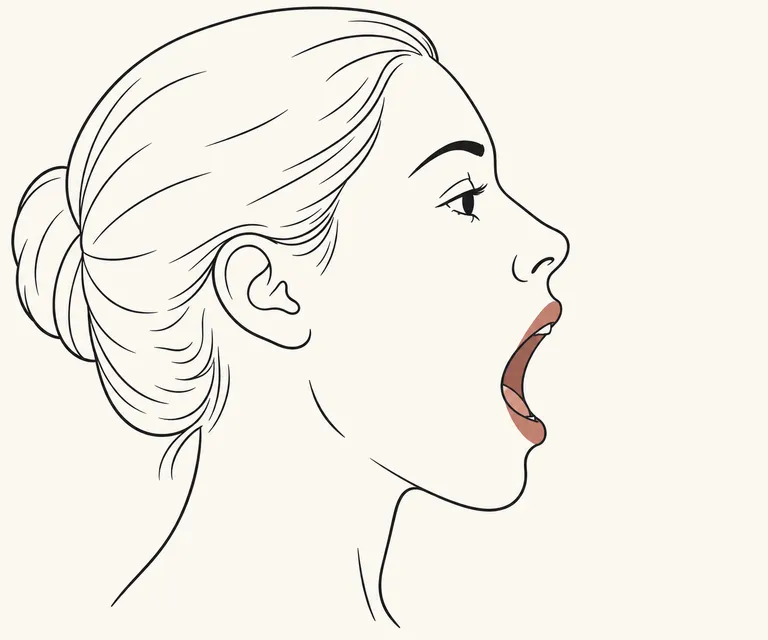
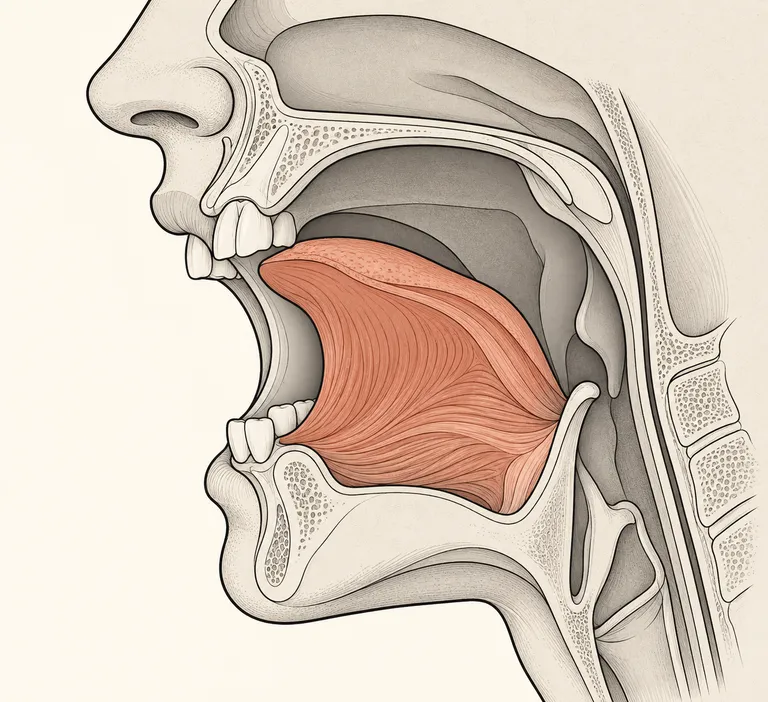
Why this works. The wide jaw drop needed for æ is motorically similar to the initial jaw-opening gesture of a full yawn or an exaggerated 'ah', both driven by the same jaw-depressor muscles. Borrowing this already-automatic wide-open gesture as a proxy gives learners immediate access to the correct degree of aperture without new muscle learning; they then bring the tongue forward to the front æ target.
Slow-Motion Glide from 'e' to the Wide-Open 'a' Sound
consensus- Say 'bed' and freeze, noticing your jaw's current moderate opening.
- Slowly drop your jaw further, moving in slow motion over about two seconds.
- Stop once your jaw feels clearly wider than for 'bed' and hold that position.
- Say the word 'bad' starting directly from that wide-open held position.
- Repeat the three-step glide (moderate opening, slow widen, hold) five times.
- Now do it at normal speed, keeping the same wide target for the vowel.
Success check: You can feel your jaw open noticeably wider between the starting position and the held target, and 'bad' no longer feels like a slightly-tweaked 'bed'.
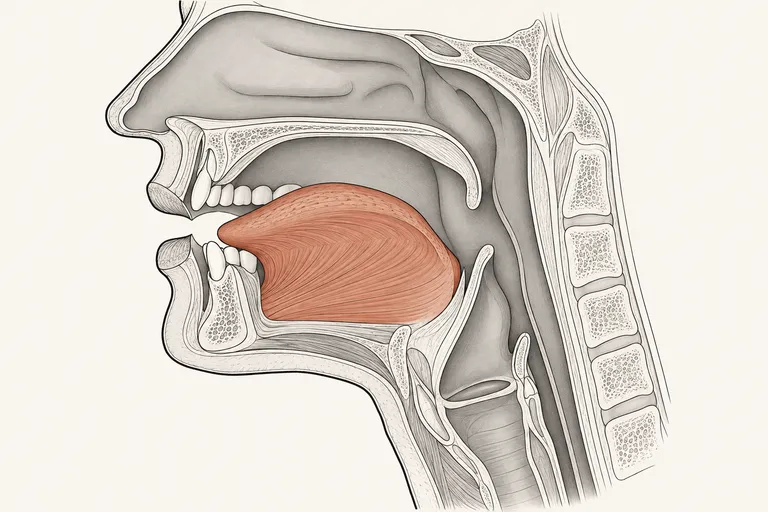
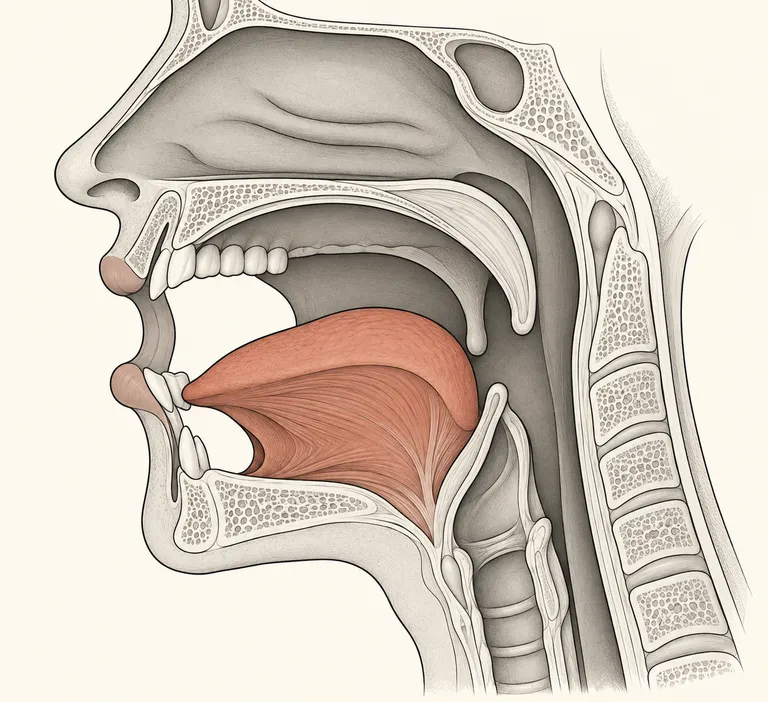
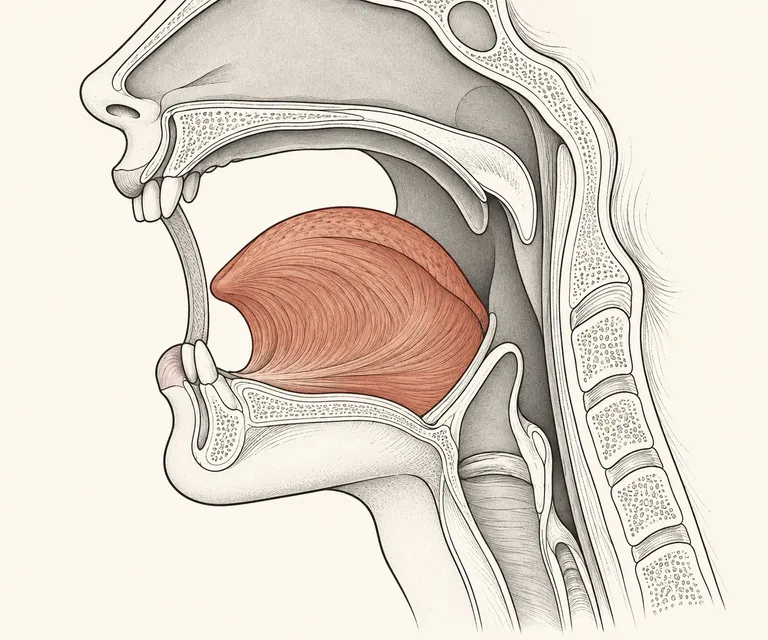
Why this works. Decomposing the æ gesture into staged jaw-opening steps lets learners consciously monitor and control the degree of aperture, normally achieved too quickly for conscious correction, converting a categorical, all-or-nothing habit into a gradable motor skill.
Sources (1)
- Wells, J.C. (1982). Accents of English.
Reader ratings and feedback are coming soon.
Sources (1)
- Duanmu, S. (2007). The Phonology of Standard Chinese. Oxford University Press.