/ɑ/as in hot
You likely use your existing Mandarin low vowel 'a' for words like 'hot' and 'father', and because the two vowels are genuinely close, this usually sounds quite natural and is rarely a major source of accent on its own.
What you probably do
You likely use your existing Mandarin low vowel 'a' for words like 'hot' and 'father', and because the two vowels are genuinely close, this usually sounds quite natural and is rarely a major source of accent on its own.
How natives do it
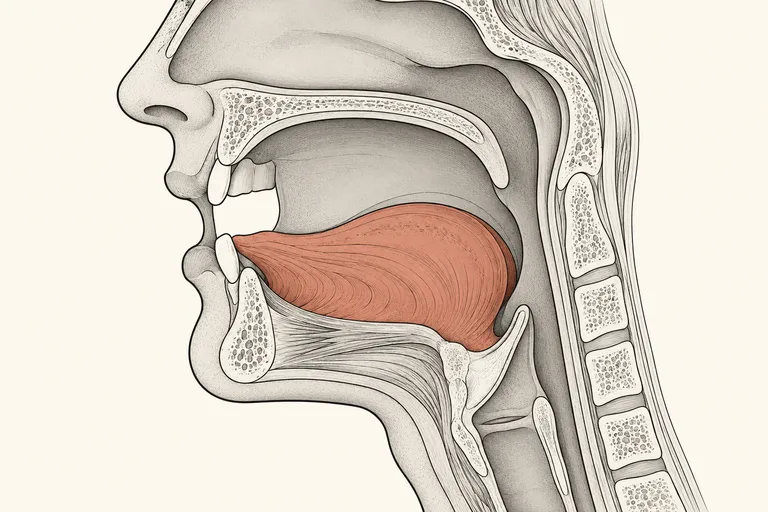
Americans open the jaw wide, like saying 'ah' at the doctor's office, and keep the tongue consistently low and pulled back toward the throat with no lip rounding, for the whole sound, in words like 'father' and 'hot'.
Why it matters
Since this vowel is one of the closer matches between Mandarin and English, it's not usually your biggest priority; just watch that you don't let it drift toward the more central English ʌ vowel, which would blur pairs like 'cot' and 'cut'.
Hear the difference
Words this touches
Mandarin Chinese speakers often substitute /a/.
How the mouth differs
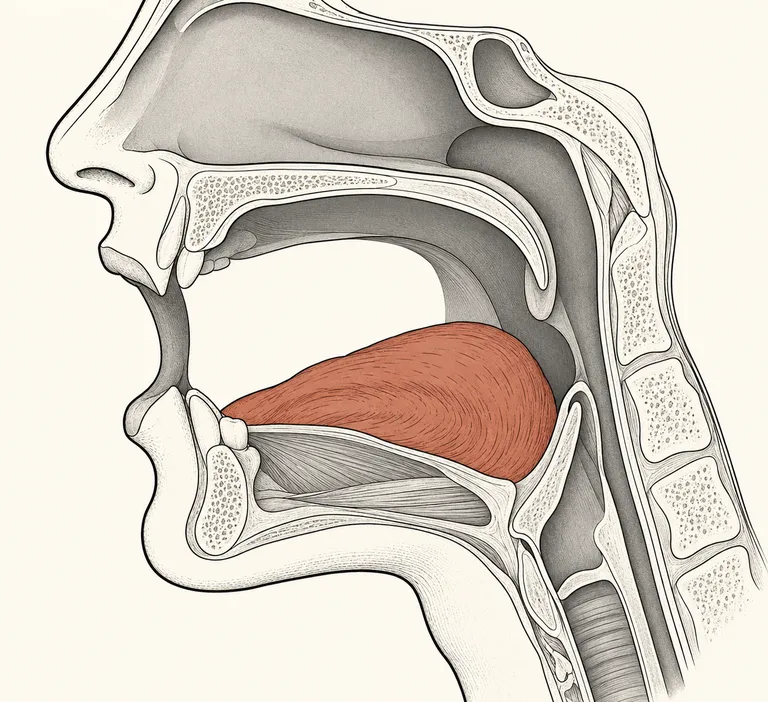
Mandarin's low vowel 'a' is fairly close in height and backness to English ɑ, so this is often the easiest of the English low back vowels for Mandarin speakers; the main difference is that Mandarin 'a' can shift forward or backward depending on neighboring sounds, while English ɑ is reliably low, back, and unrounded in content words like 'father' and 'hot'.
Listen for the pattern
Because the Mandarin vowel is a reasonably good match, errors here are usually mild, though learners may occasionally pull this vowel toward the central-back English ʌ, causing minor confusion between words like 'cot' and 'cut'.
Reader ratings and feedback are coming soon.
Sources (1)
- Duanmu, S. (2007). The Phonology of Standard Chinese. Oxford University Press.