/ɑ/as in hot
You likely substitute either your rounded short a (like in Hungarian 'kor') or your fronted long á, since Hungarian has no vowel that is both fully back and completely unrounded like English ɑ.
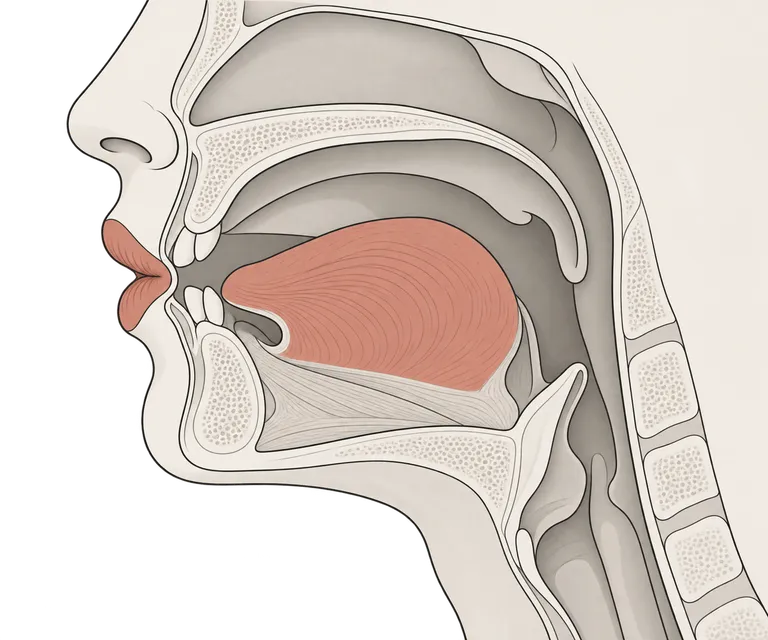
What you probably do
You likely substitute either your rounded short a (like in Hungarian 'kor') or your fronted long á, since Hungarian has no vowel that is both fully back and completely unrounded like English ɑ.
How natives do it
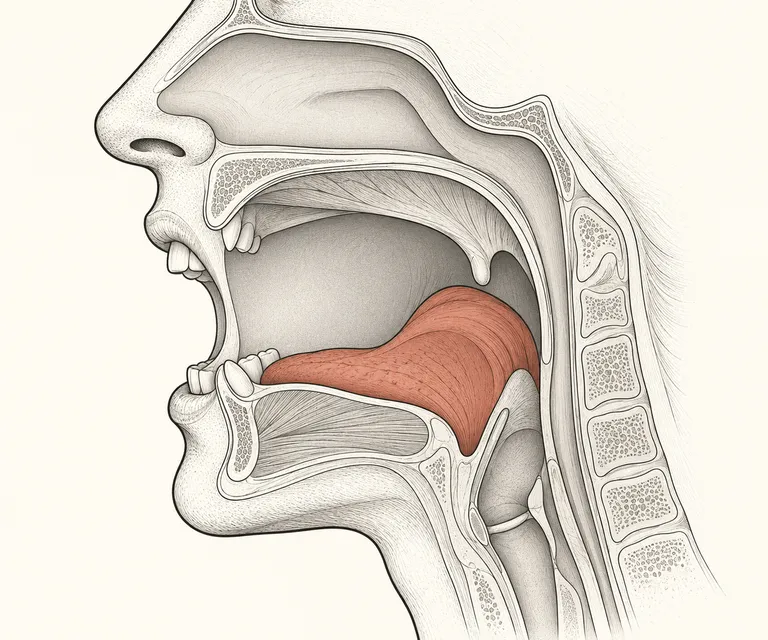
Americans open the jaw wide, as if at the doctor's office saying 'ah', and pull the tongue low and back toward the throat while keeping the lips totally relaxed — no rounding at all. This is the vowel in 'father' and 'hot' for most American speakers.
Why it matters
A rounded or fronted substitute gives 'hot' and 'father' a subtly foreign color that can occasionally shift them toward other vowel categories like ʌ or æ. Practicing full backward retraction with unrounded lips keeps these very common words clear and natural-sounding.
Hear the difference
Words this touches
Hungarian speakers often substitute /ɒ, aː/.
How the mouth differs
Hungarian's short a is a low back vowel with clear lip rounding (ɒ), while its long á is unrounded but noticeably fronted and shorter in tongue retraction than English ɑ. English ɑ is a fully back, low, completely unrounded vowel with a wide open jaw — a combination of backness and lack of rounding that no single Hungarian vowel provides.
Listen for the pattern
Substituting rounded Hungarian ɒ typically adds a faint rounded, 'darker' quality that American listeners may hear as slightly off but usually still intelligible; substituting fronted á can make words sound closer to the æ region and cause more noticeable confusion.
Reader ratings and feedback are coming soon.
Sources (2)
- “Transylvanian Hunglish” Phonological Properties of Hungarian Accented English in Transylvania — Bálint Huszthy, 2022
- Transylvanian informants replace English open back vowels [ʌ, ɒ, ɑ] with the native vowel [ɒ], while Hungarian speakers use [a].
- Transylvanian speakers retain a higher frequency of English schwas and diphthongs compared to their Hungarian counterparts.
- The phonological differences stem from Transylvanians' heterogeneous linguistic environment involving substandard L1, local dialects, Romanian L2, and multilingualism.
- Kenesei, I., Vago, R.M., & Fenyvesi, A. (1998). Hungarian: Descriptive Grammar.