/dʒ/as in jump
You likely let the voicing drop out completely at the end of a word, producing what is effectively tʃ, and keep the preceding vowel short.
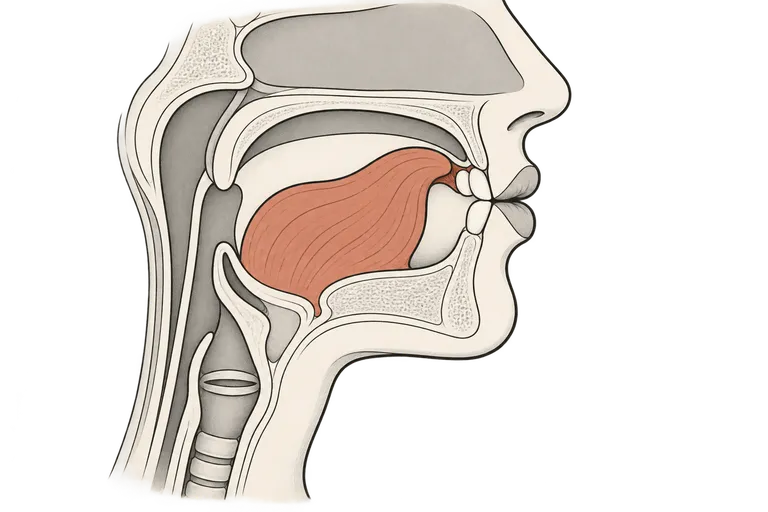
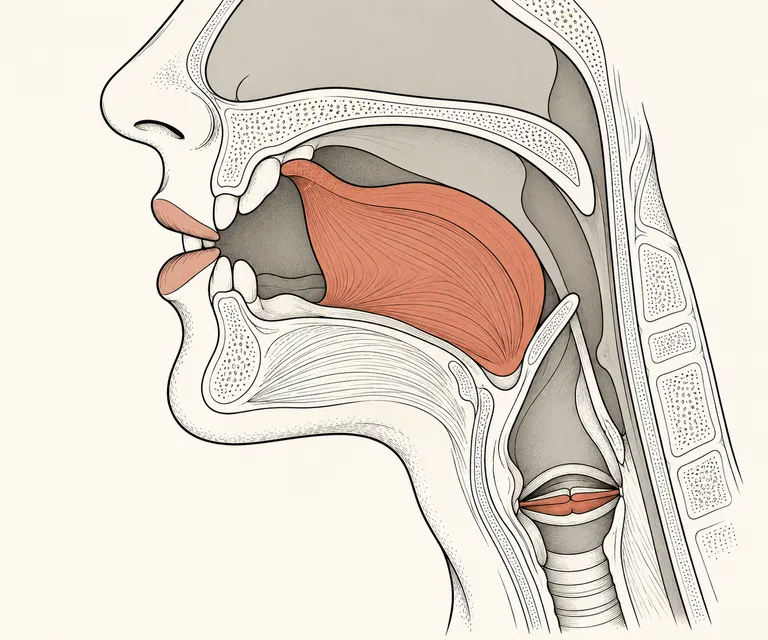
What you probably do
You likely let the voicing drop out completely at the end of a word, producing what is effectively tʃ, and keep the preceding vowel short. This is natural since Hungarian doesn't rely on vowel duration to signal a consonant's voicing.
How natives do it
Americans keep the buzz going continuously through the closure and release of a final dʒ, and stretch the vowel just before it noticeably longer than they would before tʃ — the tongue motion itself stays the same.
Why it matters
Because vowel length carries much of the signal, dropping it can turn 'edge' into 'etch' or 'badge' into 'batch' in a listener's ear, a small timing habit with a real effect on being understood correctly.
Hear the difference
Words this touches
Hungarian speakers often substitute /tʃ/.
How the mouth differs
Both languages form dʒ identically (Hungarian dzs), a voiced postalveolar affricate with the same tongue-stop-into-frication motion as tʃ but with voicing throughout. English signals word-final dʒ versus tʃ mainly through a longer preceding vowel and residual voicing; without this habit, Hungarian speakers often devoice the final affricate fully, merging it with tʃ.
Listen for the pattern
A devoiced final dʒ can make 'edge' sound like 'etch' or 'badge' like 'batch' to American listeners, since the vowel-length cue signaling the underlying voicing is missing.
Reader ratings and feedback are coming soon.
Sources (1)
- Wells, J.C. (1982). Accents of English.