/ə/as in sofa
You likely give every unstressed syllable its full, clear vowel quality, just as Hungarian requires, instead of collapsing it into a quick, neutral 'uh' sound the way English does constantly.
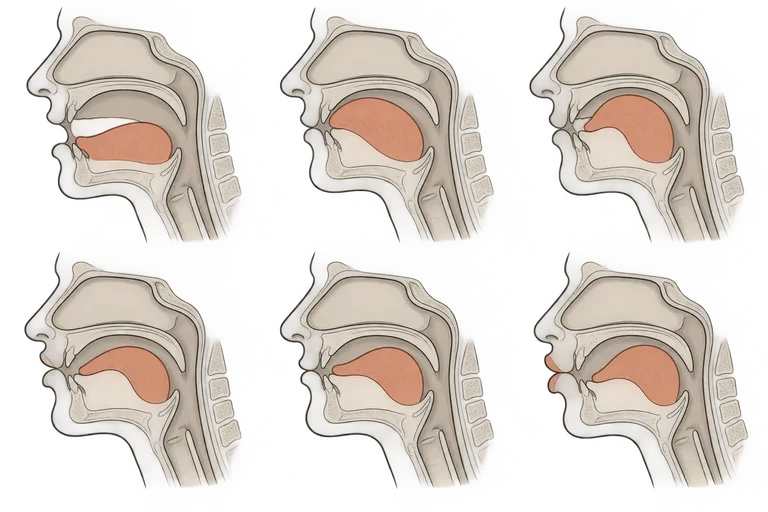
What you probably do
You likely give every unstressed syllable its full, clear vowel quality, just as Hungarian requires, instead of collapsing it into a quick, neutral 'uh' sound the way English does constantly.
How natives do it
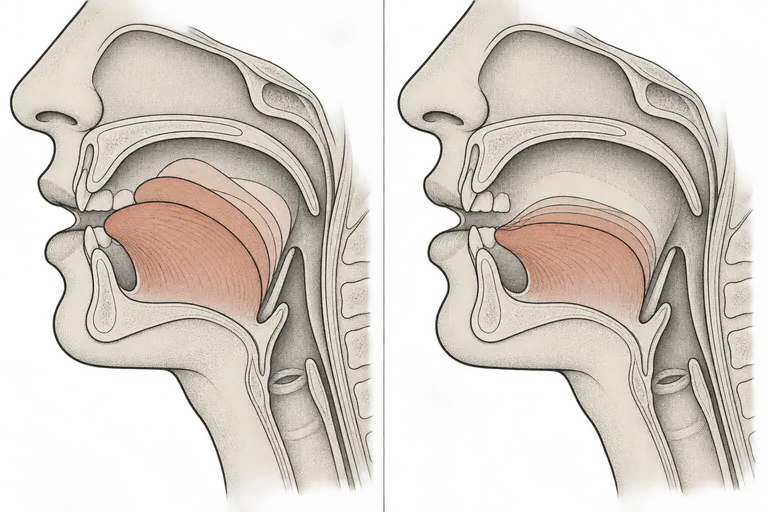
Americans relax the whole mouth for unstressed syllables — no rounding, no reaching front or back, minimal jaw movement — turning vowels in words like 'sofa' and 'about' into a light, quick hum. Stress and reduction work together: stressed syllables get full vowels, unstressed ones reduce.
Why it matters
Because Hungarian has no equivalent reduction system, skipping it makes every syllable sound equally weighted and deliberate, which is one of the clearest overall markers of a Hungarian accent in English. Practicing reduction on unstressed syllables is essential for natural-sounding rhythm, even more than getting individual vowels perfectly right.
Hear the difference
Words this touches
Hungarian speakers often substitute /ɛ, o, a/.
How the mouth differs
Hungarian has no phonological process of vowel reduction; unstressed vowels keep their full spelled-out quality regardless of stress. English systematically centralizes unstressed vowels toward schwa, a mid-central vowel produced with minimal muscular effort and no rounding, front, or back movement.
Listen for the pattern
Giving full vowel quality to every unstressed syllable, as Hungarian habits dictate, is usually still understood but makes multisyllabic words sound overly deliberate, evenly stressed, and rhythmically foreign compared to the reduced, uneven pacing native listeners expect.
Practise it
Reduce the Weak Beats in a Sentence
sourced- Read this sentence slowly: 'The banana is on the table about an hour ago.'
- Mark which syllables carry the main stress: ba-NA-na, TA-ble, a-BOUT, HOUR.
- Say the stressed syllables fully and clearly, giving them extra length and a small pitch bump.
- Rush through every other syllable, letting your jaw and tongue go slack so they collapse into a quick 'uh'.
- Record yourself saying the sentence at natural conversational speed.
- Play it back and check that unstressed syllables sound short and blurry, not crisp.
- Repeat five times, gradually speeding up while keeping the stressed syllables clear.
Success check: You should hear a strong up-and-down rhythm, with unstressed syllables sounding almost swallowed compared to the clear, elongated stressed ones.
Why this works. Repeating full sentences forces the learner to reduce unstressed vowels to schwa in real time while maintaining sentence-level stress and timing, which is the actual skill needed for natural rhythm; drilling isolated words does not train the automatic reduction that happens across word boundaries and in function words in connected speech.
Sources (1)
- Training the pronunciation of L2 vowels under different conditions: the use of non-lexical materials and masking noise. — Joan C Mora, Mireia Ortega, Ingrid Mora-Plaza et al., 2022
- Non-lexical training materials produced greater pronunciation improvements for L2 learners compared to lexical (word-based) materials.
- Masking noise during training hindered performance specifically for participants using non-lexical stimuli, but did not negatively affect those using words.
- Training-induced gains in vowel production were more pronounced when vowels appeared in sentences than when elicited in isolated words.
Overdo the Reduction, Then Ease Back
sourced- Say 'about' extremely reduced, almost dropping the first syllable entirely: 'BOUT'.
- Say it again, adding back just a whisper of a vowel before 'bout': 'uh-BOUT', kept very short.
- Compare the two versions and notice the small but real difference.
- Repeat the overshoot-then-ease pattern with 'sofa': first 'SO-f' with almost no final vowel, then 'SO-fuh' with a faint schwa.
- Do the same with 'banana': first 'nan-uh' dropping the first syllable, then 'buh-NAN-uh' with a light first syllable.
- Settle on the middle version — reduced but not silent — as your final natural pronunciation.
Success check: The final version should sound clearly reduced compared to a full vowel, but still contain a faint, quick vowel sound rather than disappearing completely.
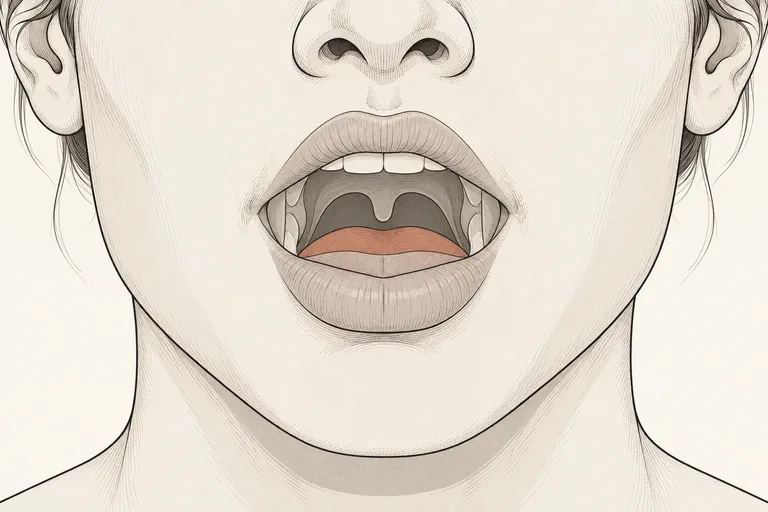
Why this works. Because Hungarian learners default to full vowel quality on every syllable, briefly overshooting the reduction — nearly dropping the unstressed syllable entirely — recalibrates the target so that a properly reduced but still audible schwa feels comparatively 'full' once dialed back; exaggerated training expands the perceptual-motor window before settling on the natural, subtler target.
Sources (1)
- The Role of Temporal Acoustic Exaggeration in High Variability Phonetic Training: A Behavioral and ERP Study — Bing Cheng, Xiaojuan Zhang, Siying Fan et al., 2019
- The HVPT-E group showed greater improvement in natural word identification performance compared to the standard HVPT group.
- Training with temporal acoustic exaggeration induced native-like categorical perception based on spectral cues.
- MMN responses demonstrated training-induced changes at pre-attentive neural levels, suggesting enhanced brain plasticity.
Hear the Stress Shift: Noun vs. Verb
sourced- Gather 6-8 stress-shifting word pairs like OBject/obJECT, CONvict/conVICT, PERmit/perMIT.
- Have a recording, app, or partner say one version of each pair in random order.
- Guess whether the word is the noun (stress on the first syllable, full vowel) or the verb (stress on the second syllable, first syllable reduced).
- Check your guess immediately against the answer key.
- Replay any pair you missed, listening specifically for which syllable sounds quick and neutral versus full and clear.
- Repeat the set until you score 90% or better on two rounds in a row.
Success check: You can reliably tell the noun form from the verb form by ear, based on which syllable is reduced to a quick, neutral schwa.
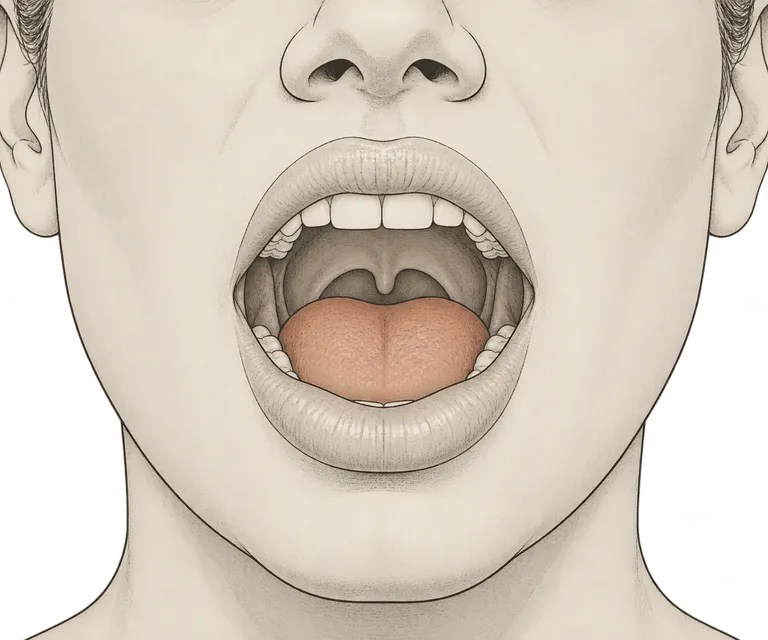
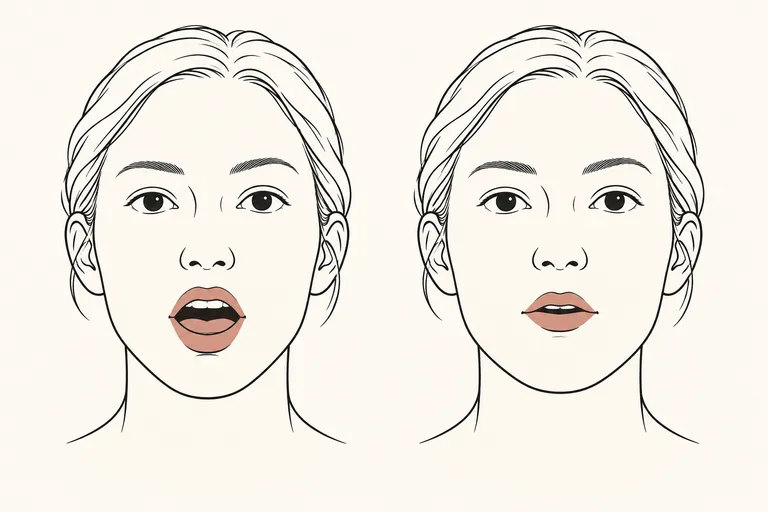
Why this works. Using stress-shifting minimal pairs (object noun vs. verb, convict noun vs. verb) trains listeners to attend to the schwa-reduction cue that marks unstressed syllables in English, a feature absent from languages that keep full vowel quality regardless of stress. Correctly perceiving the reduced vowel is a prerequisite for producing natural English rhythm, and this mirrors the general L1-category-mapping pattern documented for other non-native contrasts.
Sources (1)
- Distinguishing universal and language-dependent levels of speech perception: Evidence from Japanese listeners' perception of English “l” and “r” — Virginia A. Mann, 1986
- Japanese listeners successfully discriminate the acoustic properties of English /l/ and /r/ when presented with non-English contrasts, ruling out a universal hearing deficit.
- The primary source of error is language-dependent categorization, where listeners map English sounds onto their existing L1 phonological categories (e.g., classifying both as liquids).
- Performance improves significantly when the acoustic contrast between /l/ and /r/ is exaggerated or presented in contexts that highlight their distinctiveness.
Feel the Reduction: Full Vowel vs. Quick Schwa
consensus- Say the noun 'OBject', stressing the first syllable and keeping its vowel full and clear.
- Now say the verb 'obJECT', stressing the second syllable and letting the first syllable collapse into a quick, relaxed schwa.
- Alternate OBject-obJECT five times, exaggerating the difference in vowel clarity between the two forms.
- Record yourself saying three more pairs (CONvict/conVICT, PERmit/perMIT, PROgress/proGRESS).
- Play back the recording and check that the unstressed syllable sounds noticeably shorter and less clear than the stressed one.
- Repeat, relaxing the unstressed syllable a little more each time if it still sounds too full.
Success check: On playback, the unstressed syllable in each pair sounds clearly quicker and more neutral than the stressed one, not equally full.


Why this works. Producing stress-shifting pairs forces the learner to actively alternate between a full, clearly articulated vowel and a reduced, effortless schwa within the same word root, making the otherwise invisible reduction process an explicit, controllable articulatory target rather than a habit overridden by full-vowel pronunciation carried over from a language without reduction.
Sources (1)
- Ladefoged, P., & Johnson, K. (2015). A Course in Phonetics.
Find Schwa Through a Relaxed Sigh
consensus- Let your jaw hang loose and sigh out gently, as if you're a little tired: 'huh...'
- Notice that your tongue isn't reaching forward, back, up, or down — it's just sitting in the middle of your mouth.
- Shorten that same relaxed sigh into a quick, tiny sound: 'uh'.
- Attach that same tiny relaxed 'uh' onto the end of 'sofa': so-fuh.
- Do the same for 'about': uh-BOUT, keeping the first syllable as light as your sigh.
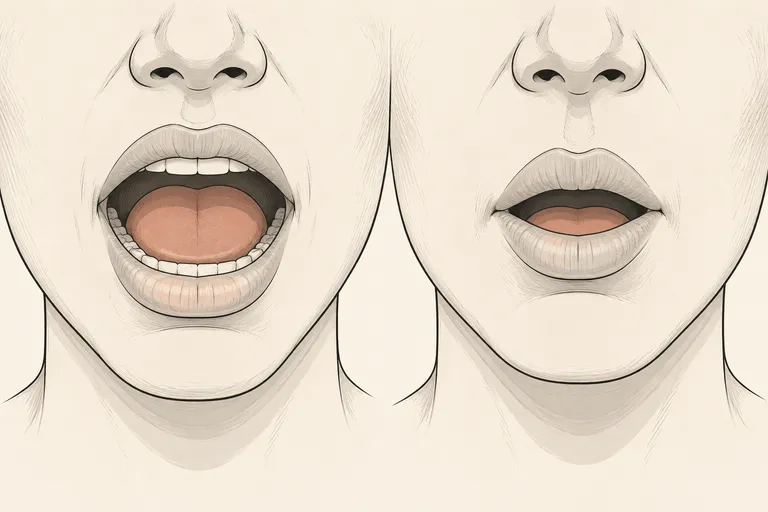
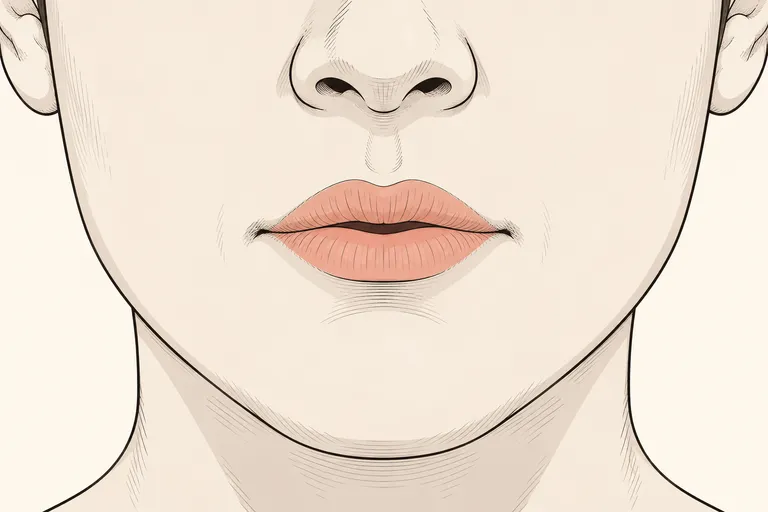
- Check in the mirror that your lips stay unrounded and your jaw barely moves for that syllable.
Success check: The unstressed syllable should feel as effortless as your sigh — no lip rounding, no jaw drop, no tongue reaching.

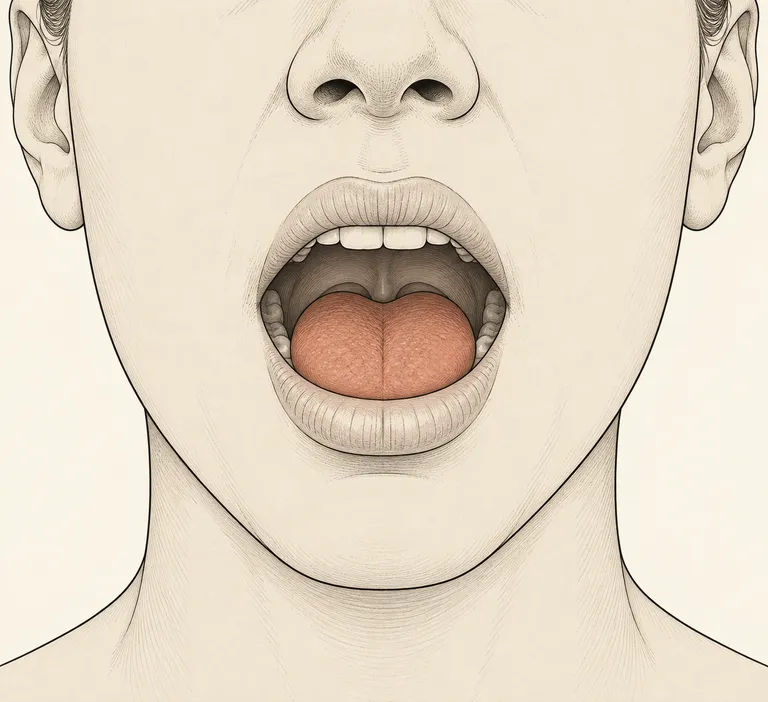
Why this works. Schwa is produced with the tongue and jaw in their neutral resting position, the same posture the vocal tract adopts during a relaxed exhale or a hesitation sound like 'huh'. Anchoring schwa to this already-automatic neutral posture recruits the same jaw and tongue-body muscles at rest, bypassing the learner's habit of shaping a full, spelled-out vowel for every syllable.
Sources (1)
- Ladefoged, P. & Johnson, K. (2015). A Course in Phonetics.
Slow-Motion Glide from Full Vowel to Neutral Schwa
consensus- Say the word 'photograph' slowly, noticing the full, clear vowel in the first syllable.
- Now say the related word 'photography', and freeze on the second syllable, which reduces to a quick, neutral sound.
- Slowly move your tongue and jaw from a fuller vowel position toward the neutral center, in slow motion over two seconds.
- Stop once your mouth feels like it is barely moving and hold that relaxed, central position.
- Say the unstressed syllable directly from that held, neutral position.
- Repeat the slow-motion glide (full vowel, slow relax, hold) five times, then try the whole word at normal speed.
Success check: You can feel your jaw and tongue movement shrink noticeably between the full stressed vowel and the held, neutral schwa, and unstressed syllables sound quick and light rather than fully pronounced.
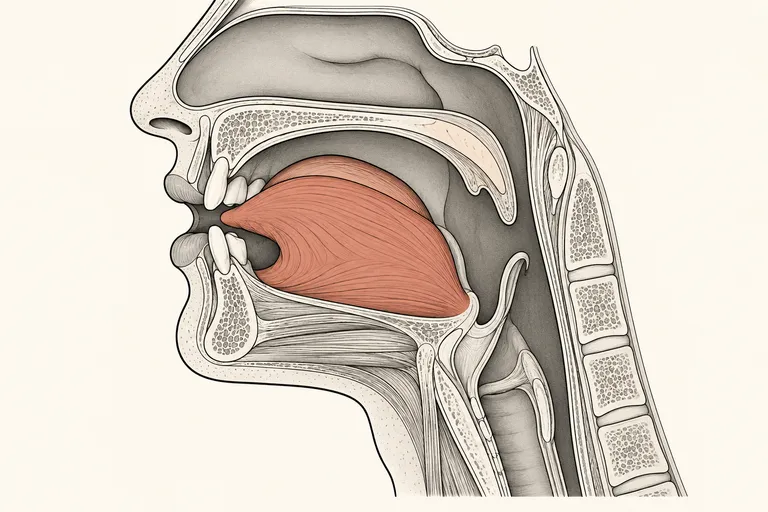
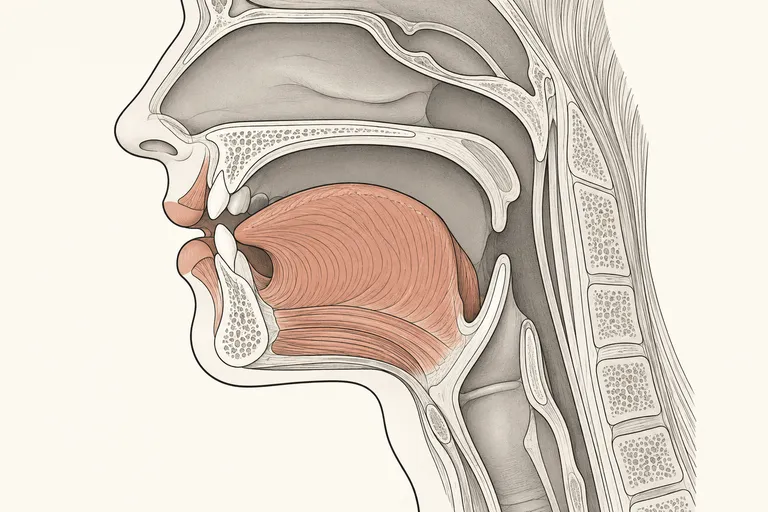
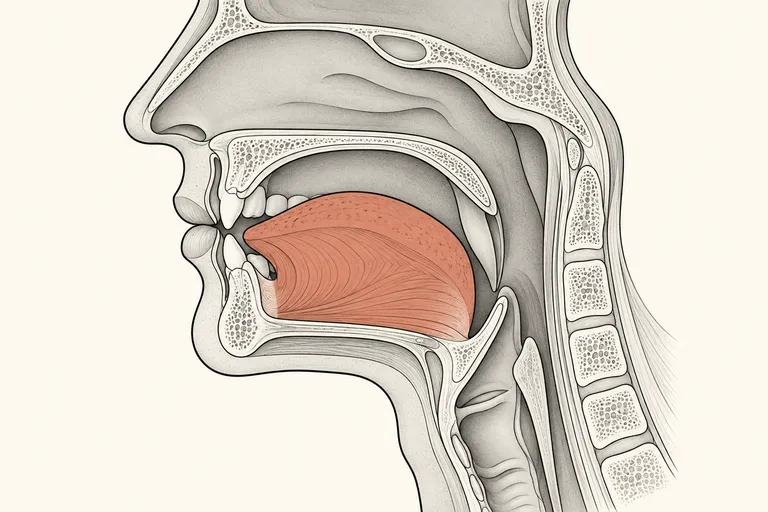
Why this works. Breaking the transition from a full stressed vowel to a reduced schwa into slow-motion stages lets learners consciously monitor the loss of jaw movement, lip rounding, and tongue displacement that occurs during reduction, converting an automatic but L1-absent process into a controllable articulatory routine.
Sources (1)
- Ladefoged, P., & Johnson, K. (2015). A Course in Phonetics.
Reader ratings and feedback are coming soon.
Sources (2)
- An Optimality Theoretic account ofHungarianESLlearners...
- Hungarian ESL learners transfer the contrastive nature of vowel length from L1 to L2 despite it being non-functional in standard English.
- Optimality Theory successfully models these interference patterns by ranking constraints that prioritize L1 phonological habits over L2 requirements.
- Learners exhibit difficulty suppressing Hungarian-specific phonological rules when producing English words with short vowels.
- Kenesei, I., Vago, R.M., & Fenyvesi, A. (1998). Hungarian: Descriptive Grammar.