This is an AI-generated research project, still being refined. It may contain errors. Reader ratings and feedback are coming soon. How this is made
For Turkish speakers
Your English has a Turkish shape. Here is
where.
Turkish is spoken with a fairly relaxed jaw and lips that stay close to neutral, rounding only for back vowels like 'o' and 'u'. At rest, the tongue sits mid-low and slightly forward, ready to shift quickly between front and back positions because Turkish vowels must 'agree' with each other across a word (vowel harmony).
The Turkish comparison is being researched. Daily tips are available.
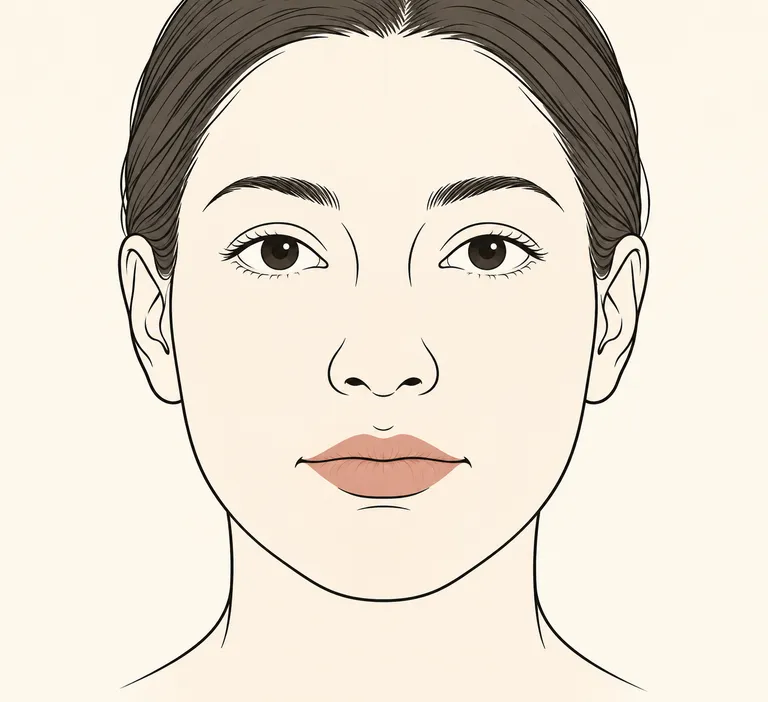
Neutral restFace at rest showing the relaxed jaw, neutral lips, and low pharyngeal tension typical of Turkish's baseline articulatory setting.
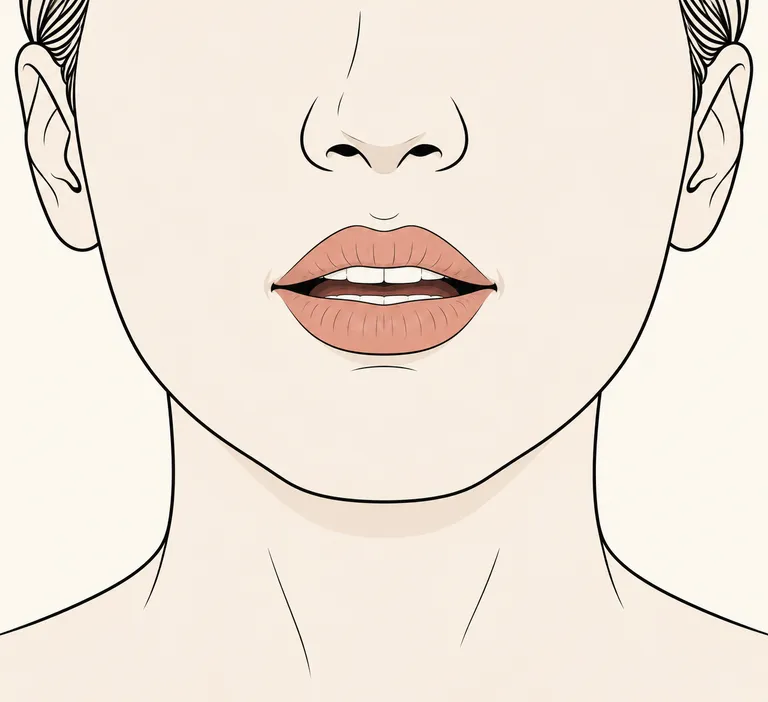
Front-harmony vowelTongue fronted and body slightly raised, lips unrounded, illustrating articulation of a front vowel such as in 'ev' (house).
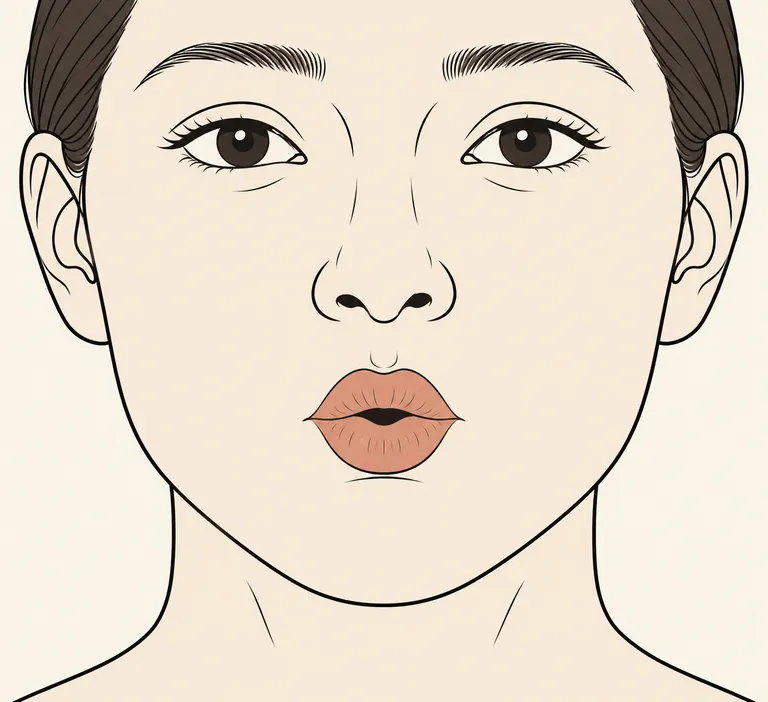
Back-harmony vowelTongue retracted toward the back of the mouth with optional lip rounding, illustrating a back vowel such as in 'okul' (school).
Turkish vowel harmony causes the tongue's front-back position to shift systematically within a word, while the lips and jaw stay comparatively relaxed throughout.
How Turkish moves
sourced
Turkish rhythm is syllable-timed, meaning each syllable takes up roughly equal time, giving speech an even, steady beat rather than English's stretchy, uneven swing. Stress usually falls on the last syllable of a word, but it's a light push, not a strong emphasis, so it won't stretch or change the vowel the way English stress does. Vowels keep their full sound in almost every position, so you won't hear a mumbled 'uh' sound like English unstressed syllables often have.
Where Turkish rests
sourced
Turkish is spoken with a fairly relaxed jaw and lips that stay close to neutral, rounding only for back vowels like 'o' and 'u'. At rest, the tongue sits mid-low and slightly forward, ready to shift quickly between front and back positions because Turkish vowels must 'agree' with each other across a word (vowel harmony). The cheeks and throat stay loose, without the deeper throat tension some other languages use. Air flows cleanly through the mouth for most sounds, with only brief nasal openings for 'm' and 'n'. Overall muscle tension is moderate — firm enough for clear, crisp consonants, but without strong lip-spreading or jaw-clenching. The voice itself sounds clear and steady, with little breathiness.
Istanbul-based Standard Turkish; regional dialects (e.g., Black Sea, Eastern Anatolian) show pitch and vowel differences but share the core system described here