Flap t
You likely pronounce every English t between vowels as a full, crisp stop with a clear release, the same precise way Hungarian handles its t and d sounds, including in words like 'better' or 'water'.
What you probably do
You likely pronounce every English t between vowels as a full, crisp stop with a clear release, the same precise way Hungarian handles its t and d sounds, including in words like 'better' or 'water'.
How natives do it
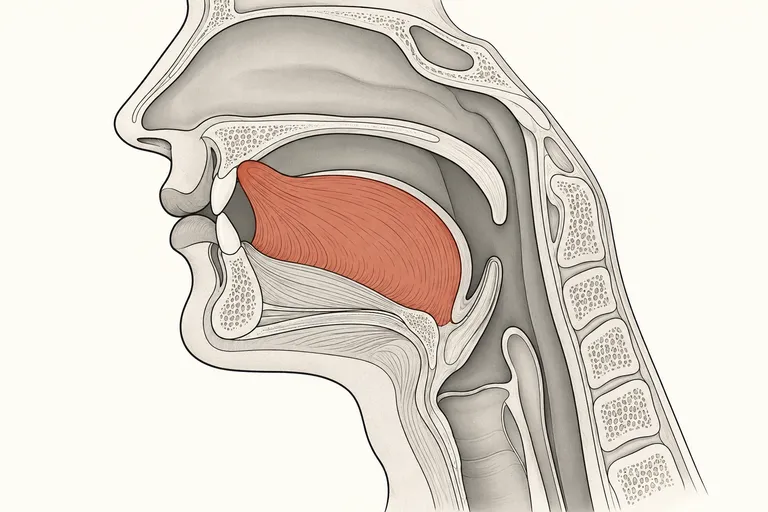
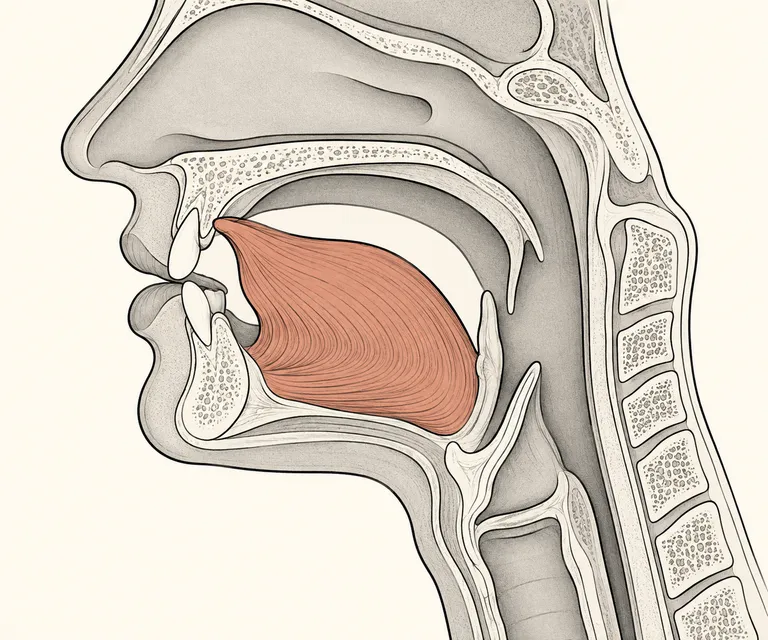
In casual American speech, that same t between vowels gets reduced to a very quick, light tap of the tongue against the ridge — so quick it can sound almost like a d — as in 'butter' or 'city'.
Why it matters
Using a fully released, crisp t in these positions isn't wrong, but it sounds noticeably formal or foreign in everyday American speech; learning the flap makes casual conversation sound smoother and more natural without changing meaning.
How the mouth differs
Hungarian /t/ and /d/ are produced as crisp, fully articulated stops in all positions, including between vowels, sometimes even lengthened as geminates. General American frequently reduces intervocalic /t/ and /d/ to a quick alveolar tap (flap), especially in casual connected speech, making words like 'butter' and 'water' sound almost like they contain a quick 'd' or light tap rather than a full stop.
Listen for the pattern
Pronouncing every intervocalic t as a fully released, crisp stop, as Hungarian habits encourage, makes English sound overly formal or slightly foreign, since Americans expect a softened, quick flap in words like 'better' and 'city' in everyday speech.
Try these sentences
- I'd better get some butter and water.Intervocalic t/d in 'better', 'butter', and 'water' become a quick tongue-tap in casual General American speech.
- What a pretty little city!The t's in 'pretty', 'little', and 'city' flap between vowels rather than staying a crisp, fully released stop.
Reader ratings and feedback are coming soon.
Sources (1)
- Wells, J.C. (1982). Accents of English.