/aɪ/as in my
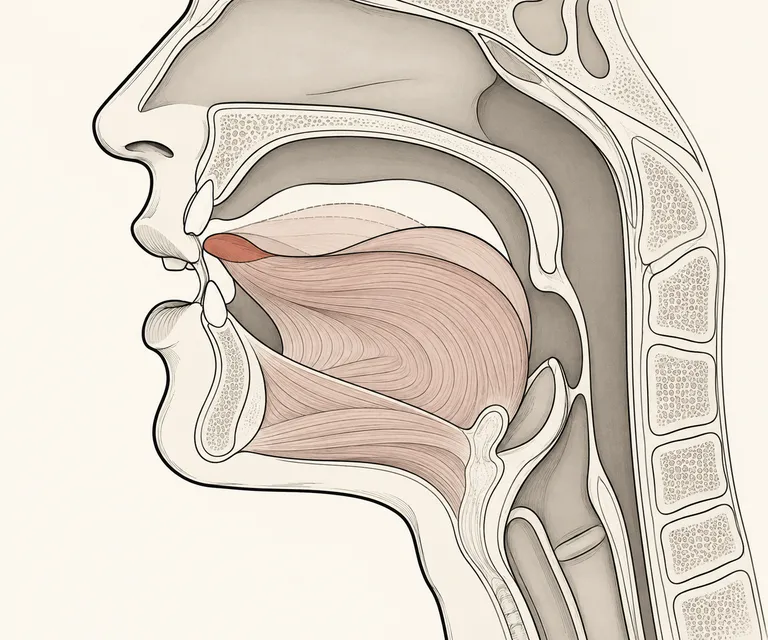
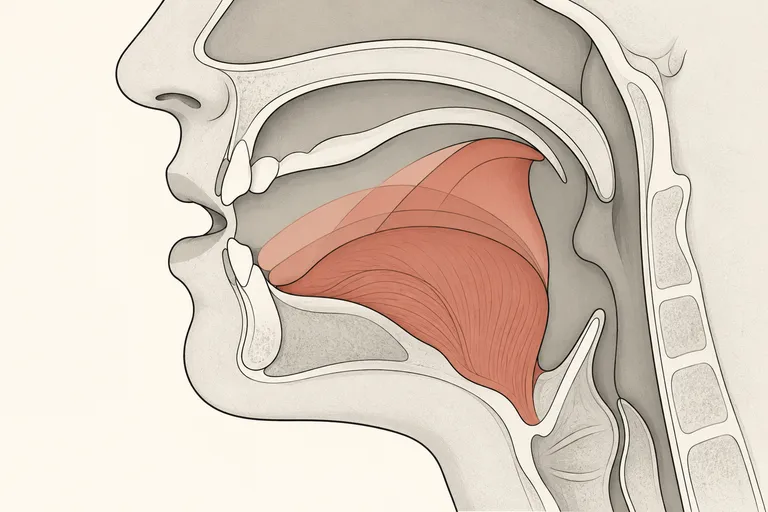
You likely use your native 'aj' sequence, as in Hungarian words with 'aj', starting from a rounded, pulled-back vowel and gliding into a consonant-like j sound.
What you probably do
You likely use your native 'aj' sequence, as in Hungarian words with 'aj', starting from a rounded, pulled-back vowel and gliding into a consonant-like j sound.
How natives do it
Americans start with the jaw wide open and the tongue low and unrounded, then quickly close the jaw and slide the tongue up and forward toward a true 'ee'-like vowel position, all in one smooth movement. This is the vowel in 'my' and 'time'.
Why it matters
Because your native diphthong is already close to the target, this is one of the easier sounds to adjust — mainly softening the rounded start and making the ending feel like a vowel glide rather than a firm consonant improves the naturalness of very common words like 'time' and 'like'.
Hear the difference
Words this touches
Hungarian speakers often substitute /ɒj/.
How the mouth differs
Hungarian approximates this diphthong through its native 'aj' sequence, starting from the rounded, retracted short a (ɒ) and gliding to the consonant j. English aɪ starts from a fully open, more central-to-back unrounded low vowel and glides to a genuinely vocalic high-front position, with a smoother, more vowel-like offglide than the Hungarian consonantal j.
Listen for the pattern
Because Hungarian ɒj is already acoustically close to English aɪ, this substitution is usually perceived as correct or only mildly accented, mainly affecting the crispness of the starting vowel rather than intelligibility.
Reader ratings and feedback are coming soon.
Sources (2)
- Wells, J.C. (1982). Accents of English.
- Kenesei, I., Vago, R.M., & Fenyvesi, A. (1998). Hungarian: Descriptive Grammar.