/u/, /ʉ/as in food
You likely produce English 'oo' exactly like Hungarian ú: fully back and consistently rounded in every context, including after sounds like t, d, and n.
What you probably do
You likely produce English 'oo' exactly like Hungarian ú: fully back and consistently rounded in every context, including after sounds like t, d, and n.
How natives do it
Americans round their lips tightly and raise the tongue high and back for most 'oo' words, but many speakers pull the tongue noticeably forward toward the center after t, d, or n, as in 'tune' and 'dude', giving those words a brighter quality.
Why it matters
This difference rarely affects understanding, since a fully back u is still clearly recognized as the same vowel. But adopting the fronted variant after coronal consonants can make your speech sound more contemporary and less deliberately 'careful' to American ears.
Hear the difference
Words this touches
Hungarian speakers often substitute /uː/.
How the mouth differs
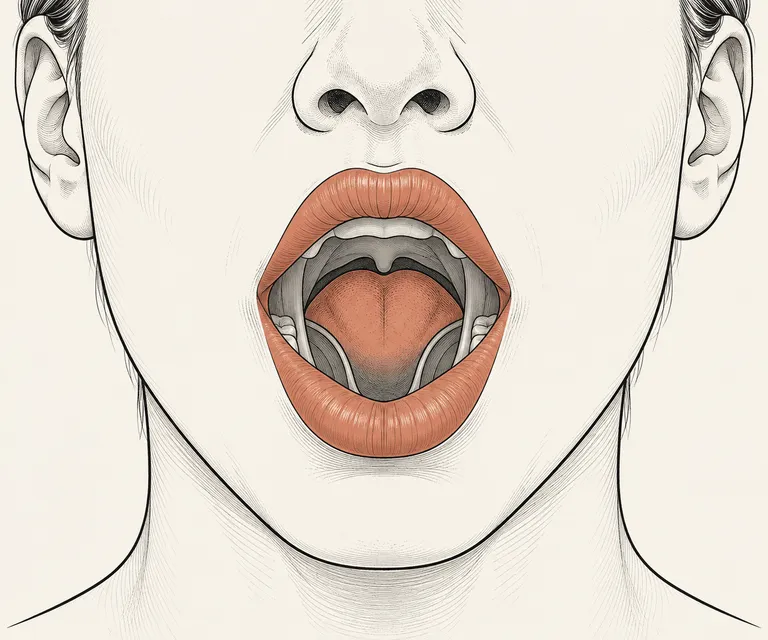
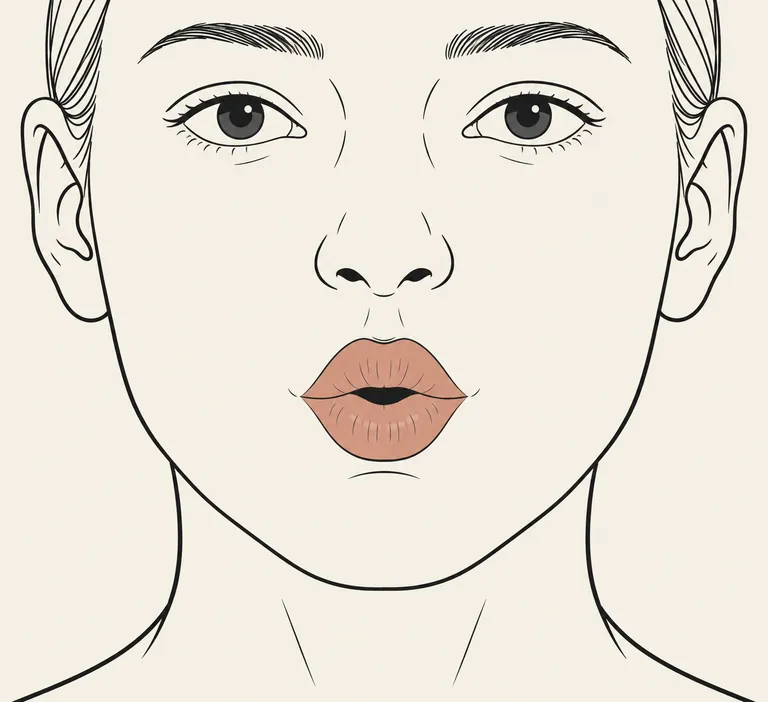
Hungarian ú is produced with strong, consistent lip rounding and a fully back tongue position throughout its whole length. Many General American speakers, especially after coronal consonants like t, d, or n, front this vowel toward a more central ʉ, keeping only moderate rounding, which Hungarian's ú does not typically do.
Listen for the pattern
A fully back, strongly rounded Hungarian-style u is completely intelligible in English, but it can sound a touch more 'foreign' or old-fashioned in words like 'tune' or 'dude' where contemporary American speech favors a fronted variant.
Reader ratings and feedback are coming soon.
Sources (1)
- Wells, J.C. (1982). Accents of English.