/ɝ/as in bird
Seeing letters like 'er', 'ir', or 'ur', you probably do what Spanish spelling would suggest: pronounce a full vowel and then follow it with a quick tap or even a trill of your tongue tip, turning one English syllable…

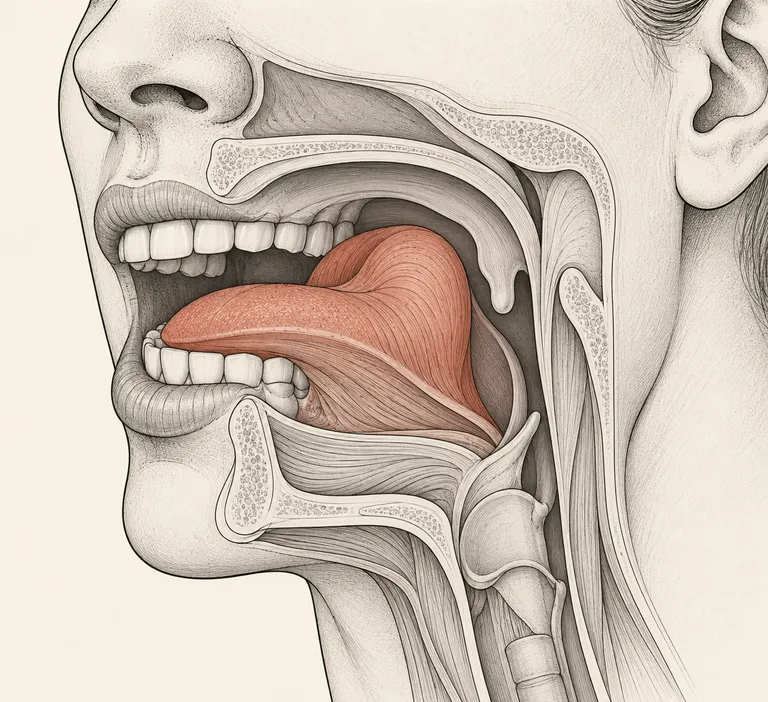
What you probably do
Seeing letters like 'er', 'ir', or 'ur', you probably do what Spanish spelling would suggest: pronounce a full vowel and then follow it with a quick tap or even a trill of your tongue tip, turning one English syllable into what feels like two separate movements, as in treating 'bird' like 'beh-rd'.
How natives do it
Americans never make a separate tap or trill here. Instead, they curl or bunch the tongue upward and backward and hold that shape for the entire vowel, so the r-coloring is baked into a single, smooth syllable rather than added afterward as a separate consonant sound.
Why it matters
Adding a tap or trill after the vowel is one of the most recognizable features of a Spanish accent in English and can make one-syllable words like 'bird' or 'turn' sound like they have an extra syllable, disrupting the rhythm and making speech harder to follow at natural speed.
Hear the difference
Words this touches
Spanish speakers often substitute /ɛɾ, oɾ, uɾ/.
How the mouth differs
Spanish has no vowel that combines a central vowel quality with simultaneous r-coloring; speakers typically resolve English spellings like 'er', 'ir', 'ur' into a separate vowel followed by a tapped or trilled Spanish r. English ɝ instead curls or bunches the tongue for the whole duration of a single, unified vowel, with no separate consonantal r articulation.
Listen for the pattern
Inserting an audible tap or trill after the vowel, rather than blending the r-coloring into the vowel itself, makes words like 'bird' or 'turn' sound noticeably foreign and can shift stress or syllable count perception for American listeners, who expect a single smooth syllable.
Practise it
Overdo your 'er', then dial it back
sourced- Say 'bird' but stretch the vowel out for a full three seconds: 'buh-errrrrrd'.
- Repeat this exaggerated version five times, keeping the curl steady the whole time.
- Record yourself and confirm it sounds like one long, smooth curled sound, not two parts.
- Now say 'bird' again with a normal, short vowel length, using that same tongue shape.
- Compare recordings: the short version should feel like a compressed version of the long one.
- Repeat with 'her', 'turn', and 'word', exaggerated then natural each time.
- Finish by saying all four words at normal conversational speed.
Success check: Your normal-length 'er' should feel like a quick version of the long, exaggerated one — same tongue curl, just shorter — never split into two parts.
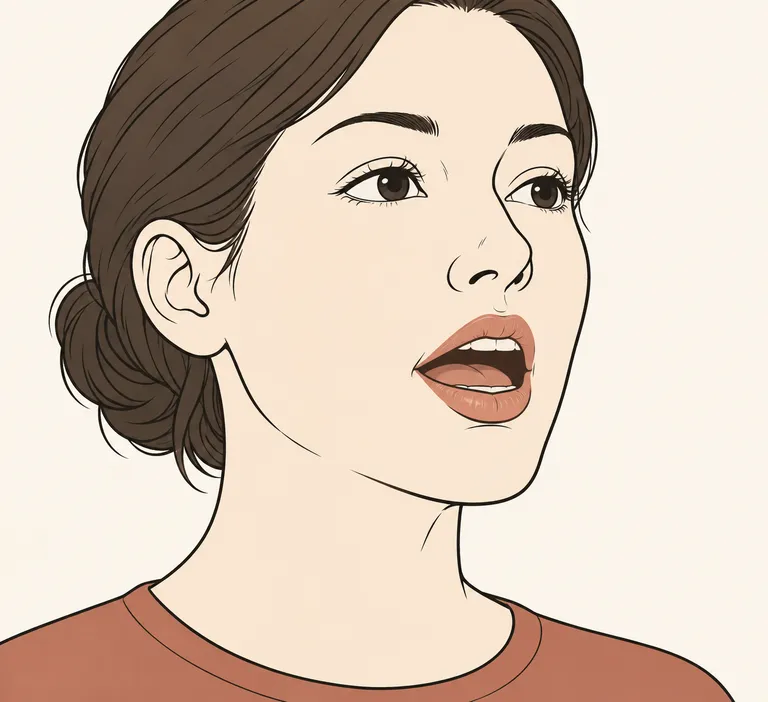
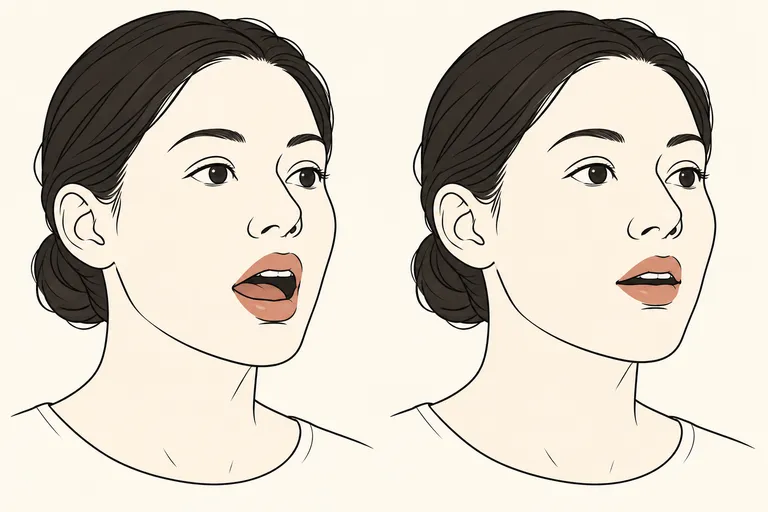
Why this works. Stretching the rhotic vowel far beyond its natural duration exaggerates the temporal and spectral cues (sustained low F3) that mark it as a single fused nucleus rather than a vowel-plus-consonant sequence. Research on temporal acoustic exaggeration shows this kind of overshoot during early training accelerates native-like categorical perception and production, after which the exaggerated duration is dialed back to normal.
Sources (1)
- Frontiers | The Role of Temporal Acoustic Exaggeration inHigh... — 2019
- The HVPT-E group showed superior improvement in natural word identification compared to the standard HVPT group.
- Temporal acoustic exaggeration promotes native-like categorical perception based on spectral cues in adult L2 learners.
- Training with temporal exaggeration induces measurable changes in pre-attentive neural processing (MMN responses).
Hear the fused r-vowel
sourced- Get pairs like bird/bud and third/thud, said aloud in random order.
- Listen with your eyes closed — don't try to say anything yet.
- Decide: did that word have the long, curled 'er' sound, or a plain, flat vowel?
- Check your guess against the answer key.
- Replay any pair you got wrong at least three times.
- Notice that the curled version sounds like one long, continuous sound, not a vowel followed by a separate consonant.
- Repeat until you score at least 9 out of 10 correct twice in a row.
Success check: You can reliably tell the curled 'er' vowel from a plain vowel by ear, even without watching anyone's mouth.
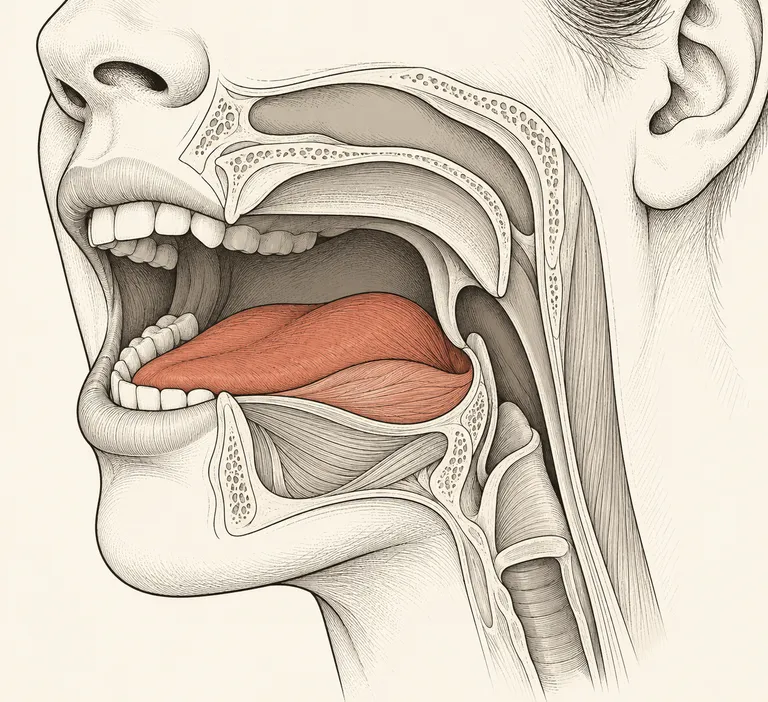

Why this works. Because Hungarian has no rhotic vowel, learners must build a wholly new perceptual category for the fused r-colored vowel rather than a vowel-plus-consonant sequence. Forced-choice discrimination against a plain vowel (bird/bud) trains the ear to detect the continuous r-coloring as part of the vowel itself, the necessary first step before attempting production.
Sources (1)
- Using multiple measures to document change in English vowels produced by Japanese, Korean, and Spanish speakers: the case for goodness and intelligibility. — Amber D Franklin, Carol Stoel-Gammon, 2014
- Both goodness ratings and intelligibility scores effectively captured improvements in vowel accuracy following pronunciation training.
- The relationship between goodness and intelligibility varies by vowel; vowels like /æ/ and /ʌ/ depend more on goodness for listener identification than /i/ and /e/.
- Some vowels received better mean intelligibility scores but poorer mean goodness ratings after training, indicating that high intelligibility does not always require high perceived quality.
Drill sentence: the fused 'er' vowel
sourced- Read this sentence slowly first: 'The bird learned to turn toward the first word she heard.'
- Underline every ɝ vowel (bird, learned, turn, first, word, heard).
- Say the sentence very slowly, holding the curl steady through each underlined vowel.
- Record yourself saying it at normal conversational speed.
- Listen back for any underlined vowel that sounds like two parts instead of one smooth sound.
- Repeat the sentence three more times, focusing only on the vowels you flagged.
- Say the whole sentence five times at natural speed until every ɝ sounds fused and smooth.
Success check: At normal speed, every underlined vowel sounds like one continuous curled sound, with no separate tap or trill audible afterward.
Why this works. Dense repetition of ɝ in a natural sentence, across stressed monosyllables and multisyllabic words, pressure-tests whether the fused rhotic vowel gesture survives connected-speech demands, where learners most often revert to the L1 pattern of vowel-plus-separate-tap under time pressure.
Sources (1)
- Targeted Pronunciation Instruction in Multilingual Classrooms... — 2025
- Vowel contrast accuracy improved significantly from 62.5% to 78.3% in the targeted group, compared to only a 2.3% gain in the control group.
- Stress accuracy rose from 60.8% to 76.4% for learners receiving targeted instruction, with large effect sizes (d=1.48 for vowels, d=0.92 for stress).
- Qualitative data revealed that learners adopted durable strategies such as minimal pair drills and shadowing, leading to fewer real-world misunderstandings.
Say it and check: one fused 'er'
consensus- Say 'bud' and notice your tongue stays low and flat the whole time.
- Now say 'bird', starting the tongue curl at the very beginning of the vowel, not after it.
- Record yourself saying: bird/bud, third/thud.
- Play it back and ask: does 'bird' sound like one smooth, curled sound, or like a vowel plus a separate tap?
- If you hear two parts, start the curl earlier, right as your voice begins.
- Re-record until 'bird' sounds like a single continuous sound from start to finish.
- Move to the next pair only after two clean recordings in a row.
Success check: On playback, the rhotic vowel should sound like one smooth, curled sound the whole way through, not a plain vowel followed by a separate tap.


Why this works. Production practice on bird/bud-type pairs targets the core error pattern of producing a separate vowel-plus-tap sequence instead of one fused rhotic nucleus. Recording lets the learner check for a single continuous sound rather than two audible segments, since this segmentation error is not detectable through kinesthetic feedback alone for someone whose L1 has no rhotic vowel.
Sources (1)
- Wells, J.C. (1982). Accents of English.
Stretch your growl into 'er'
consensus- Make a short growling sound, feeling your tongue pull back and bunch upward.
- Freeze your tongue in that exact bunched position.
- Add your voice and stretch the sound out into a long 'errrrr', without moving your tongue.
- Check in the mirror that your tongue never touches the roof of your mouth during the stretch.
- Shorten the stretched sound down to a normal vowel length, as in 'her' or 'bird'.
- Say 'bird', 'her', and 'word', starting each one from that same growl-based tongue shape.
- Repeat five times until the shape feels automatic without needing the growl first.
Success check: The vowel should feel like a shortened, voiced version of your growl — same tongue shape, no contact, held steadily through the whole vowel.

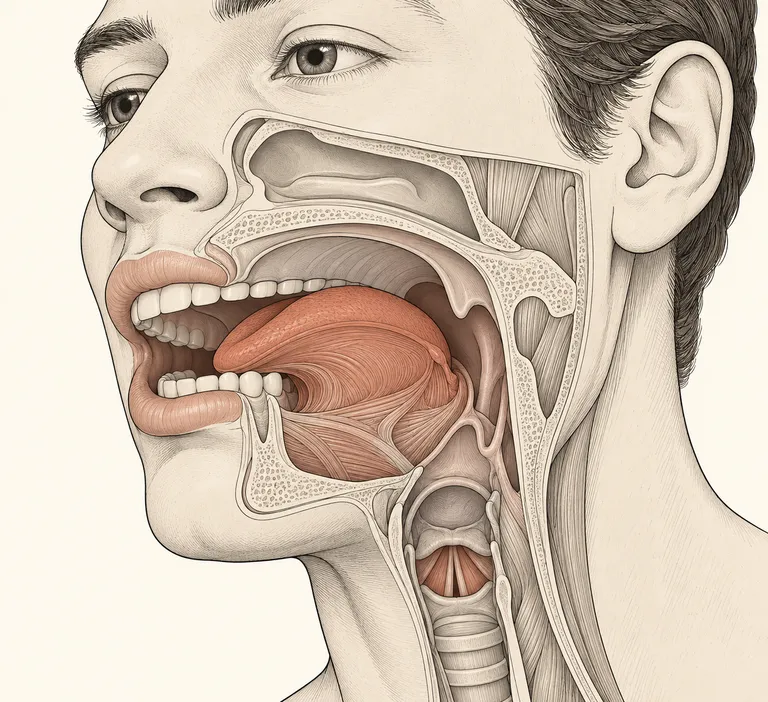
Why this works. The bunched-tongue posture for ɝ shares its muscle group (tongue-dorsum retraction via styloglossus/palatoglossus) with the growl gesture used as a proxy for consonantal r. Extending the held growl posture into a vowel-length, voiced sound lets learners reuse an already-trained non-speech motor pattern to reach the fused rhotic vowel target, rather than building the gesture from a plain vowel outward.
Sources (1)
- Wells, J.C. (1982). Accents of English.
Build the fused 'er' one step at a time
consensus- Sit in front of a mirror and get ready to say 'bird' very slowly.
- Step 1: as your voice starts, immediately lift and curl your tongue tip back (or bunch the middle upward) — don't wait.
- Step 2: freeze and hold that exact curled shape steady for two full seconds, watching in the mirror that it doesn't move.
- Step 3: let the curl relax only at the very end, right before the final 'd' sound.
- Say the whole word this way three times, checking the tongue never touches anything.
- Now speed the three steps up gradually into one smooth 'er' sound.
- Say 'bird', 'her', and 'turn' at normal speed using this same continuous shape.
Success check: The curl appears the instant the vowel starts and stays perfectly steady until the end — you should not be able to hear or feel two separate parts.
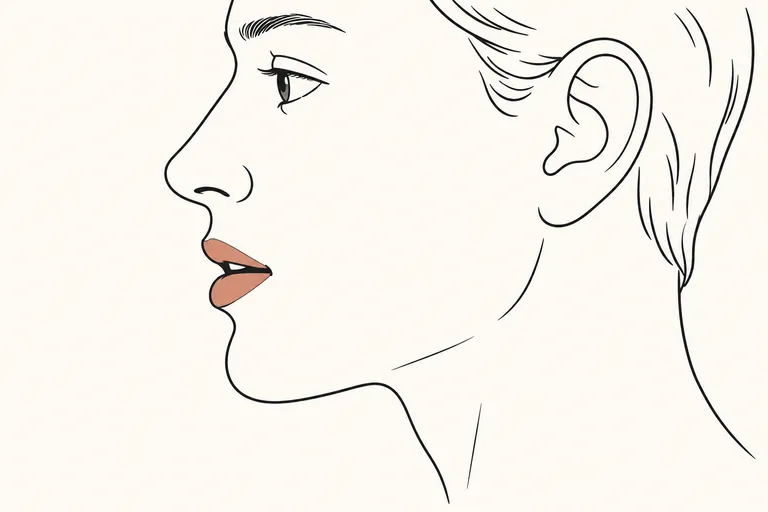
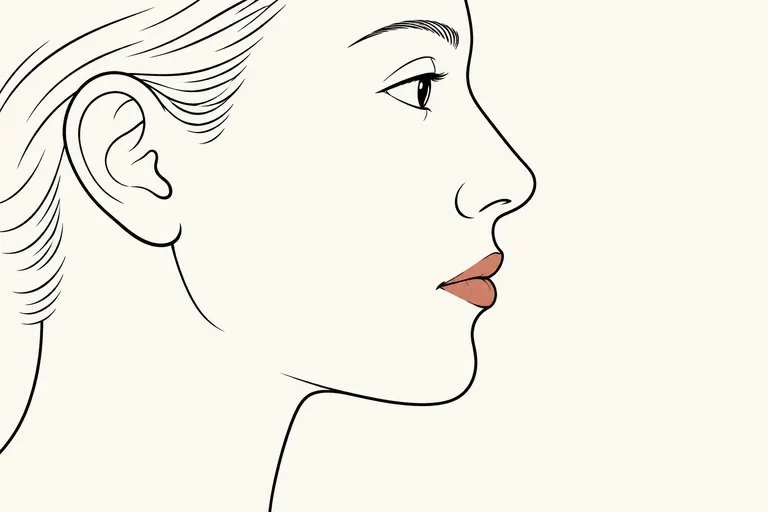

Why this works. Slowing the vowel down and freezing it mid-production lets the learner verify, via mirror feedback, that the curled or bunched tongue posture is held steadily and continuously rather than added as an afterthought following a plain vowel — the exact segmentation error predicted by the L1's lack of a rhotic vowel category.
Sources (1)
- Kenesei, I., Vago, R.M., & Fenyvesi, A. (1998). Hungarian: Descriptive Grammar.
Reader ratings and feedback are coming soon.
Sources (1)
- Wells, J.C. (1982). Accents of English.