Rhythm, stress and melody
Ten features of American English speech beyond individual sounds, compared with Spanish habits.

You likely give each syllable fairly similar weight, with only a small boost on the stressed one, and you may…

You likely give each syllable close to equal time and loudness, carrying your native syllable-timed rhythm…
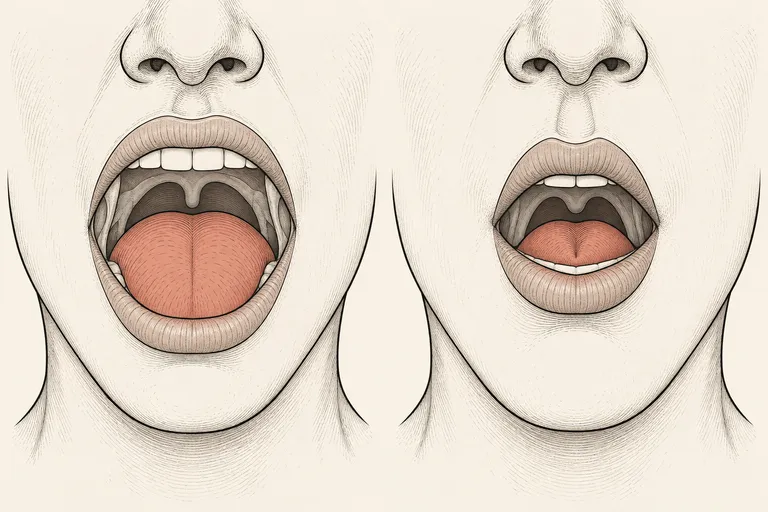
You likely pronounce every vowel with its full, clear quality no matter where the stress falls, since Spanish…

You likely use a narrower pitch range with a smooth, even fall across the whole sentence, since Spanish…

You may let your pitch rise across the sentence but then dip or fall slightly right at the very end…
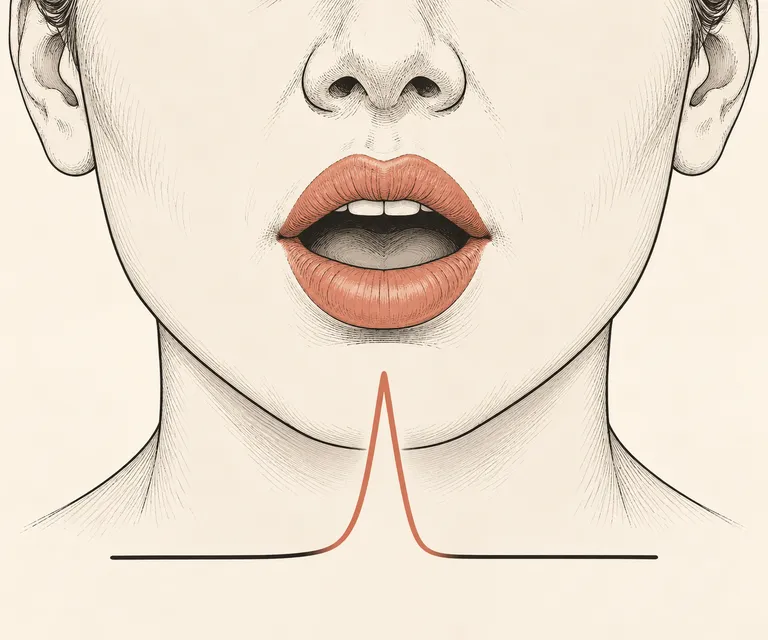
You likely spread your pitch rise and fall smoothly and gradually across the whole question, since Spanish…

You likely keep words more separated, using Spanish-style linking mainly by moving a final consonant onto the…
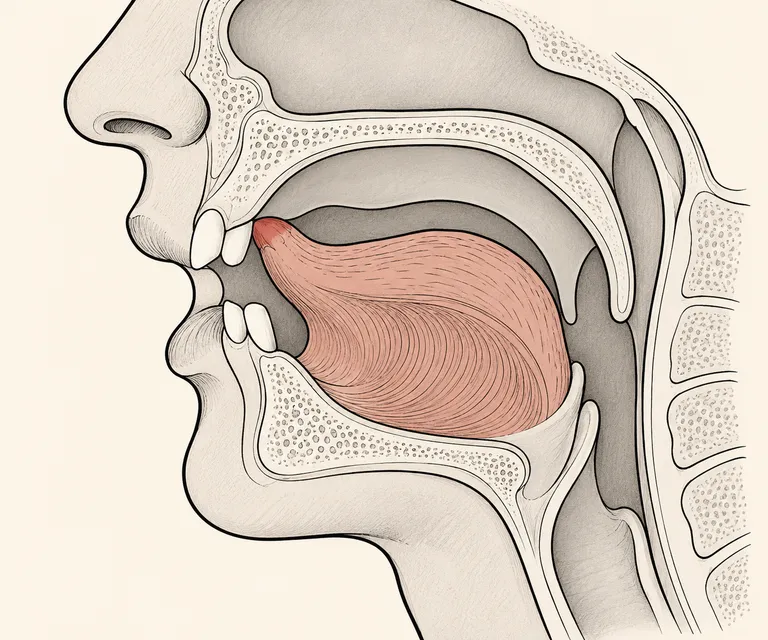
You likely pronounce every t with a crisp, fully released dental stop no matter where it falls in the word…
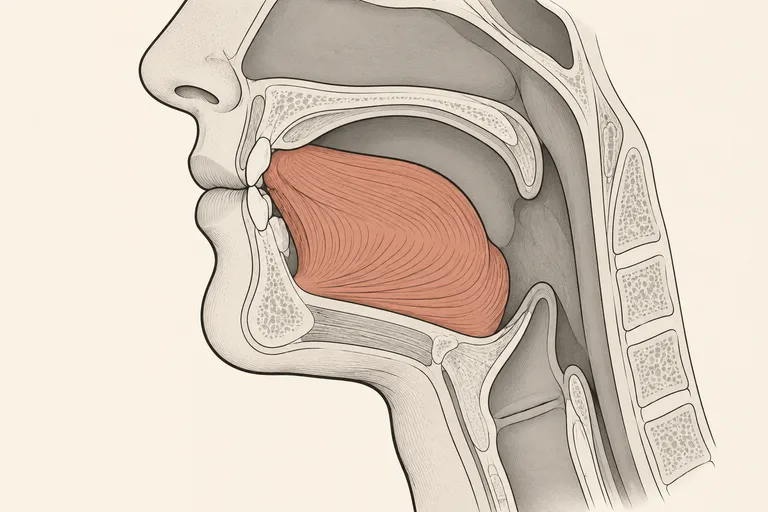
Because Spanish syllables almost always end in a vowel or one of a short list of consonants, you're used to…

In Spanish, p, t, and k are always produced without any puff of air, whether at the start of a word or…