This is an AI-generated research project, still being refined. It may contain errors. Reader ratings and feedback are coming soon. How this is made
For Spanish speakers
Your English has a Spanish shape. Here is
where.
When you speak Spanish, your mouth stays fairly compact and relaxed compared to English. The jaw doesn't drop as far, and the lips don't spread widely the way they do for English smiling-type vowels — everything stays close to neutral. 8 sounds and 2 rhythm habits do most of the work.
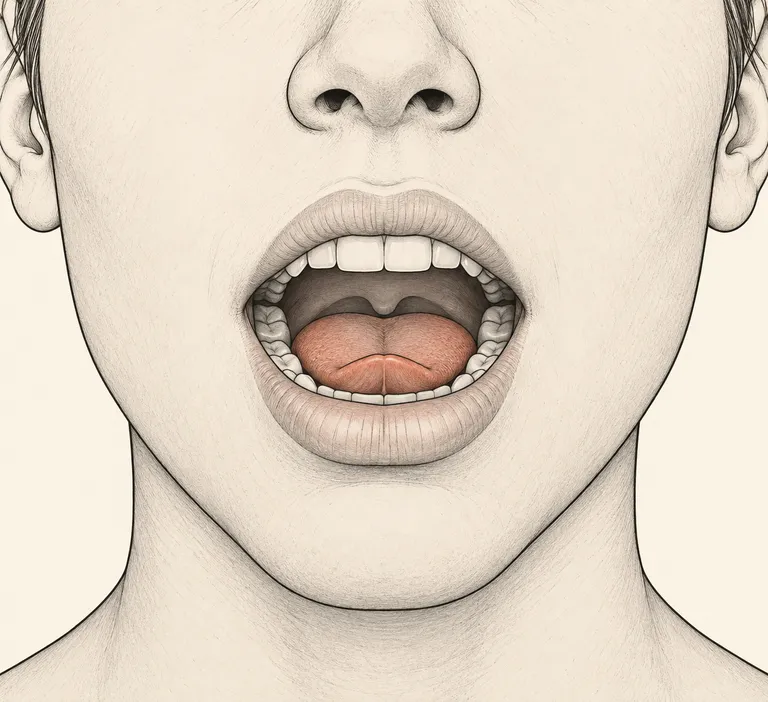
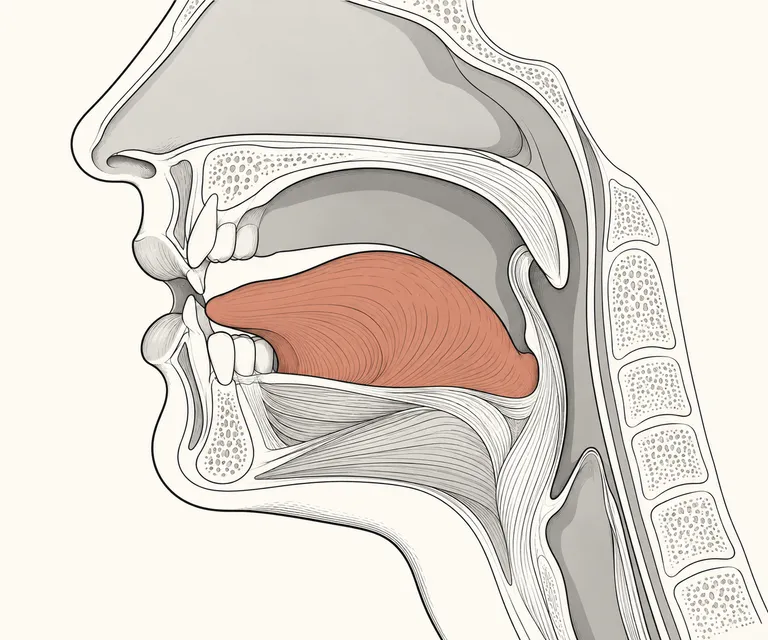
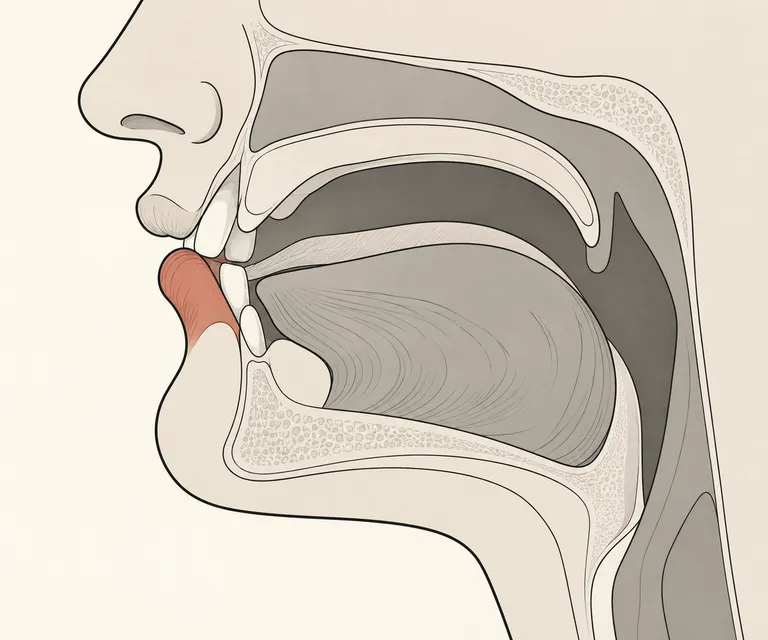
Neutral rest positionLips gently closed and relaxed, jaw only slightly open, tongue tip resting near the upper gum ridge, cheeks loose.
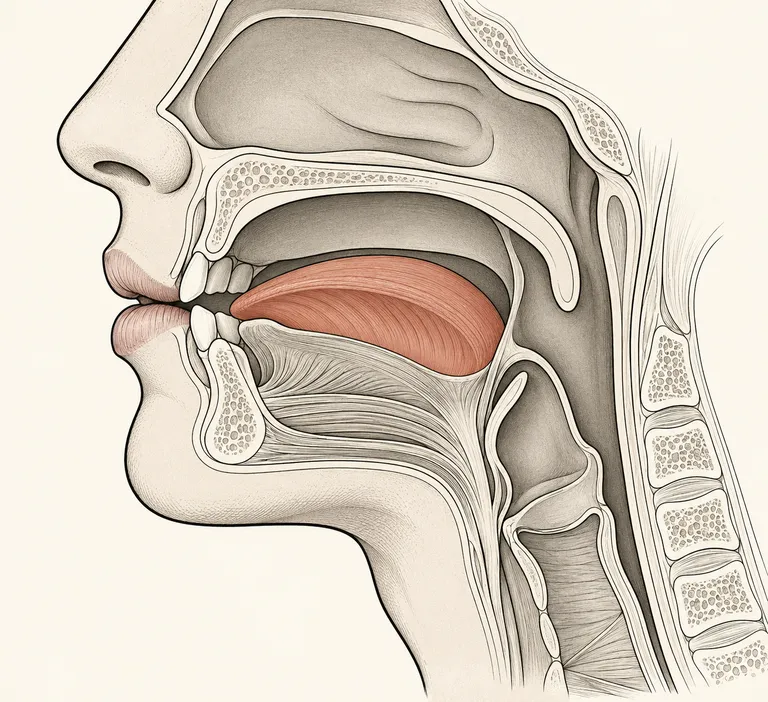
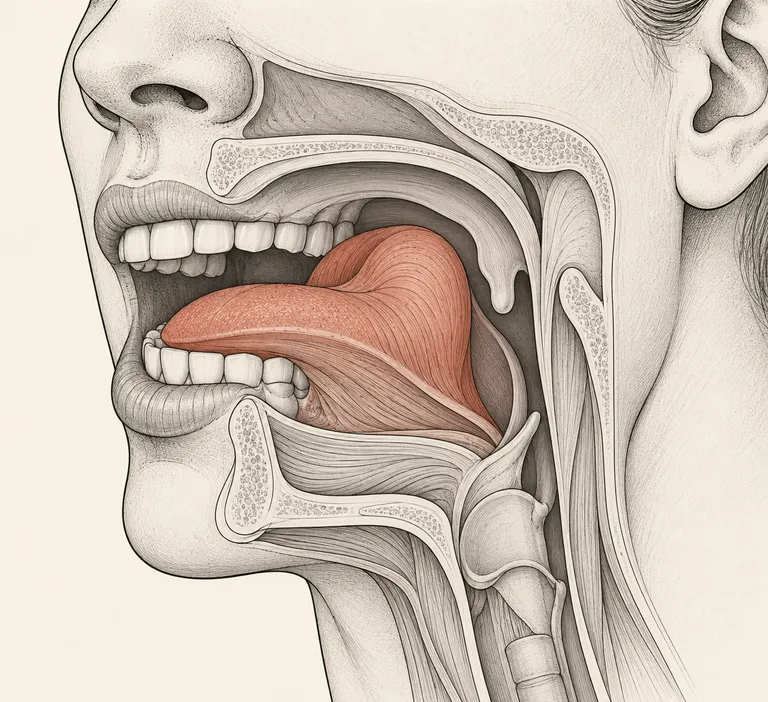
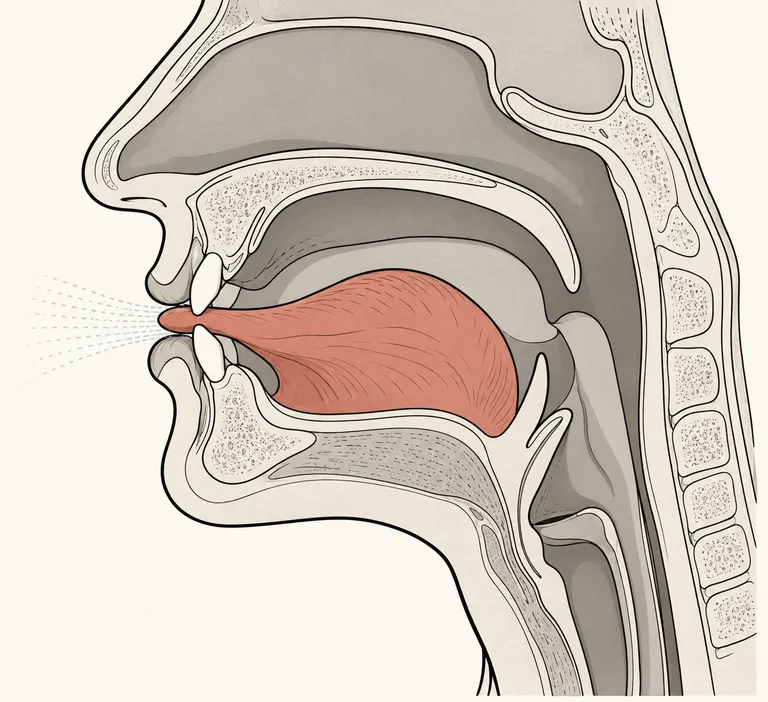
Producing a stressed vowel (e.g., the 'a' in casa)Jaw opens evenly, tongue stays low and central without bunching, lips stay neutral rather than spreading.
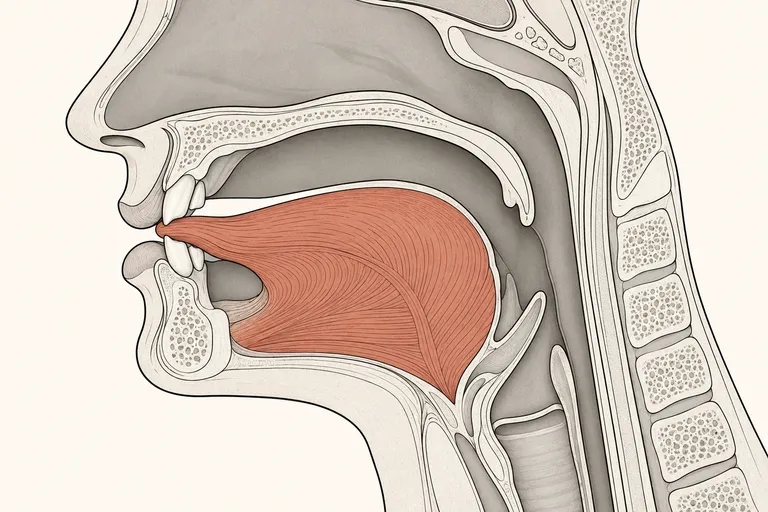
Spanish keeps a compact, evenly tensioned mouth shape at rest, with the tongue tip held forward and ready for quick taps and trills.
What marks your accent most
Ranked by how strongly each difference signals a Spanish accent to American
listeners.
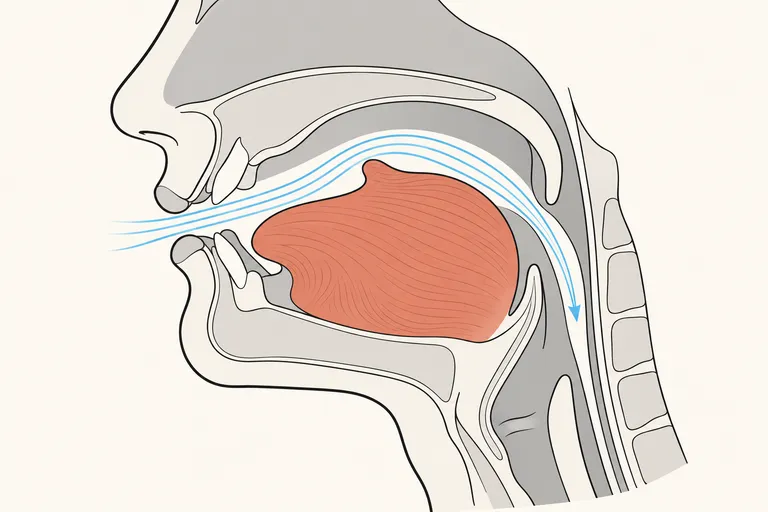
Spanish is syllable-timed: each syllable takes up roughly the same amount of time, giving speech an even, steady rhythm rather than English's stretchy, stress-timed pattern. Stressed syllables are a little louder and slightly longer, but unstressed vowels are never swallowed or flattened to 'uh' the way they often are in English, so every syllable stays clear and full.
Where Spanish rests
sourced
When you speak Spanish, your mouth stays fairly compact and relaxed compared to English. The jaw doesn't drop as far, and the lips don't spread widely the way they do for English smiling-type vowels — everything stays close to neutral. The tongue rests a little forward, near the ridge behind your top teeth, because Spanish uses quick taps and trills of the tongue tip very often, as in the difference between 'pero' and 'perro'. Every vowel keeps its full, clear sound no matter where the stress falls — there's no lazy 'uh' sound the way English reduces unstressed vowels. Overall muscle tension stays even and moderate through each word, which is why Spanish feels smooth and rhythmically regular, almost like a string of evenly-sized beads, rather than the stretchier, uneven rhythm of English.
Neutral/broadcast Latin American Spanish as primary reference; notes on Castilian (Iberian) Spanish where pronunciation diverges (e.g., theta-sound for c/z)