/s/as in sun
Because Spanish never allows a word to start with 's' followed directly by another consonant, you probably insert a brief 'e' sound before English words like 'school', 'state', or 'Spain', the same way Spanish handles…
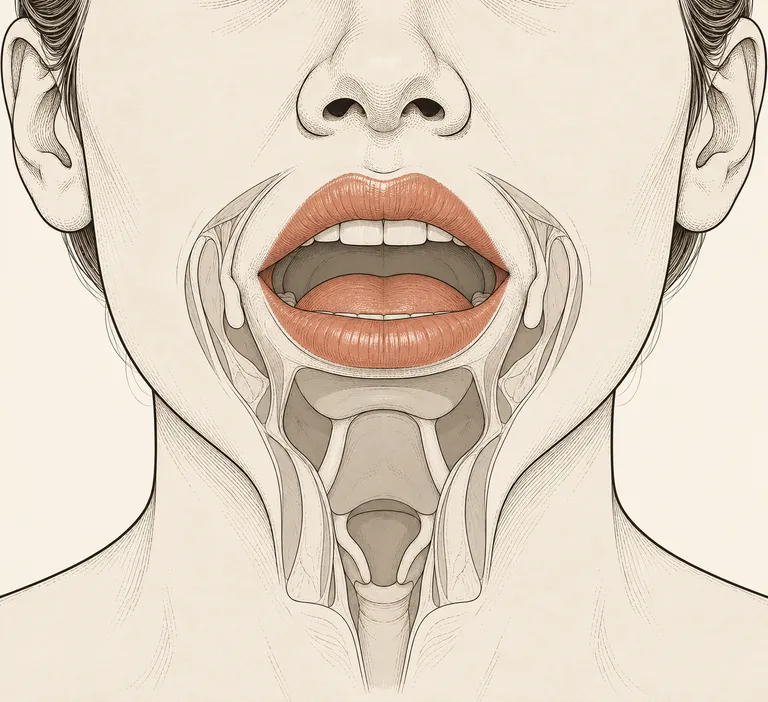

What you probably do
Because Spanish never allows a word to start with 's' followed directly by another consonant, you probably insert a brief 'e' sound before English words like 'school', 'state', or 'Spain', the same way Spanish handles borrowed words like 'estudiante', turning a one-syllable English word into two syllables without realizing it.
How natives do it
Americans start these words directly on the 's' sound with no vowel before it at all — 'school' begins immediately with a hissing 's' followed by 'k', with the tongue and lips moving straight into the cluster rather than easing into it with a vowel first.
Why it matters
This added syllable disrupts the stress-timed rhythm that English relies on and, in some cases, can make your pronunciation sound exactly like a different real word — turning 'state' into 'estate' or 'spy' into 'espy' — so learning to start directly on 's' is a high-value, easy-to-practice fix.
Hear the difference
Words this touches
Spanish speakers often substitute /s, es/.
How the mouth differs
The s segment itself is articulated almost identically in both languages, but Spanish phonotactics never allow a word to begin with s plus another consonant; any such cluster is preceded by an epenthetic e-vowel. Speakers transfer this pattern into English, inserting a brief vowel before initial s-clusters like 'sp', 'st', and 'sk', turning one-syllable words like 'school' or 'state' into two syllables.
Listen for the pattern
The inserted vowel adds an extra syllable that disrupts English stress-timed rhythm and can make words genuinely harder to recognize quickly, and in a few cases can make the mispronunciation sound exactly like a different, existing English word, such as 'estate' instead of 'state'.
Reader ratings and feedback are coming soon.
Sources (1)
- Wells, J.C. (1982). Accents of English.