/ʒ/as in vision
You likely turn this sound into a small 'j'-like stop (as in 'measure' sounding closer to 'medger') or let your voice cut out partway through, making it sound like plain 'sh', since Spanish has neither the sound nor…
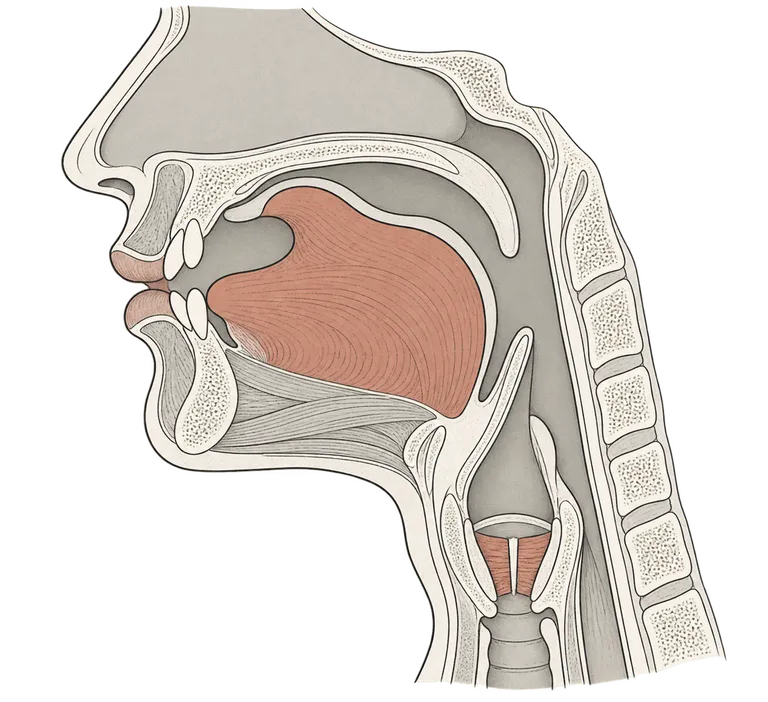
What you probably do
You likely turn this sound into a small 'j'-like stop (as in 'measure' sounding closer to 'medger') or let your voice cut out partway through, making it sound like plain 'sh', since Spanish has neither the sound nor much practice with it.
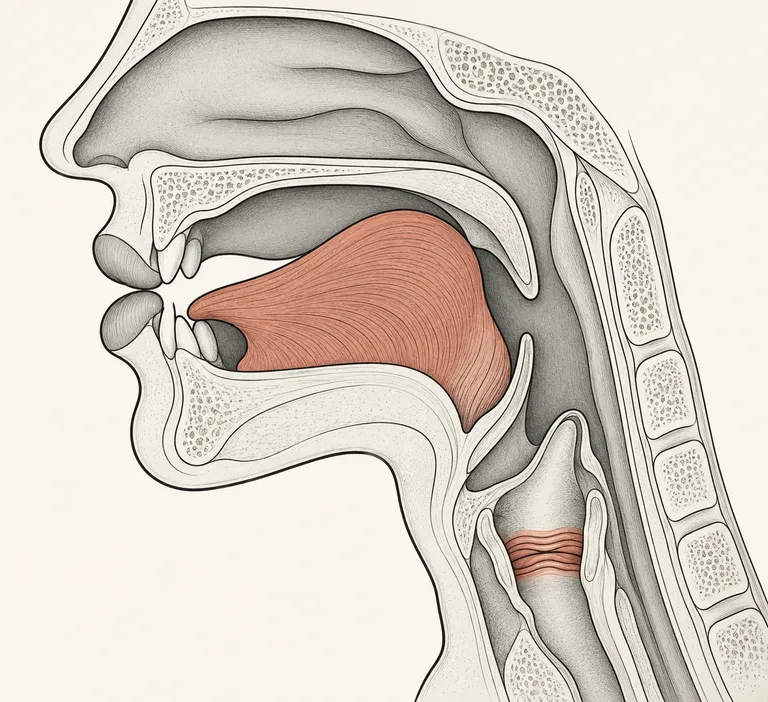
How natives do it
Keep your lips rounded and your tongue bunched exactly as for 'sh', but let your voice buzz continuously from start to finish with absolutely no stopping of the airflow at any point.
Why it matters
This sound is rare enough in English that mispronouncing it rarely blocks communication, but getting it smooth and continuous in words like 'measure', 'usual', and 'vision' makes your speech sound noticeably more natural and less choppy.
Hear the difference
Words this touches
Spanish speakers often substitute /dʒ, ʃ/.
How the mouth differs
Spanish lacks this voiced postalveolar fricative entirely; speakers reach for the nearest sounds they do have, either the voiced affricate dʒ (adding a stop closure) or the voiceless fricative ʃ (dropping the voicing).
Listen for the pattern
Because ʒ is already rare in English and mostly appears mid-word (measure, vision), substituting dʒ or ʃ rarely creates outright confusion, but it does add a small, consistent accent cue in exactly the words where it occurs.
Reader ratings and feedback are coming soon.
Sources (2)
- Wells, J.C. (1982). Accents of English.
- Hualde, J.I. (2005). The Sounds of Spanish. Cambridge University Press.