Wh-question intonation
You likely spread your pitch rise and fall smoothly and gradually across the whole question, since Spanish wh-questions don't typically single out one word with a sharp, isolated peak.
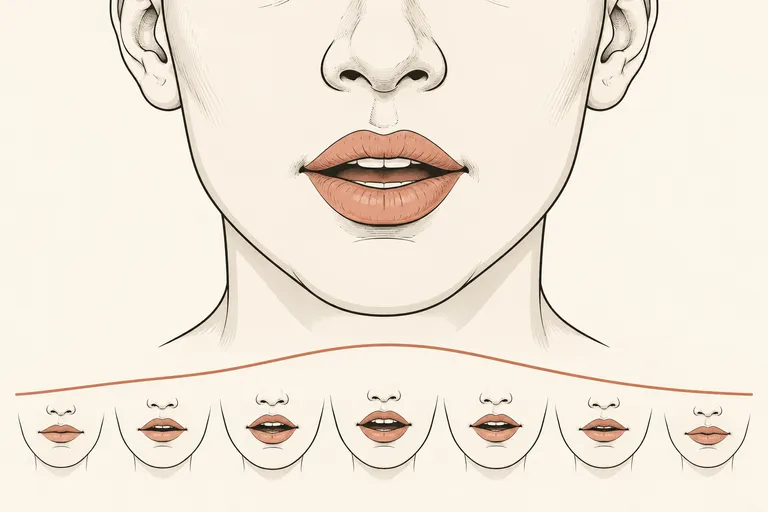
What you probably do
You likely spread your pitch rise and fall smoothly and gradually across the whole question, since Spanish wh-questions don't typically single out one word with a sharp, isolated peak.
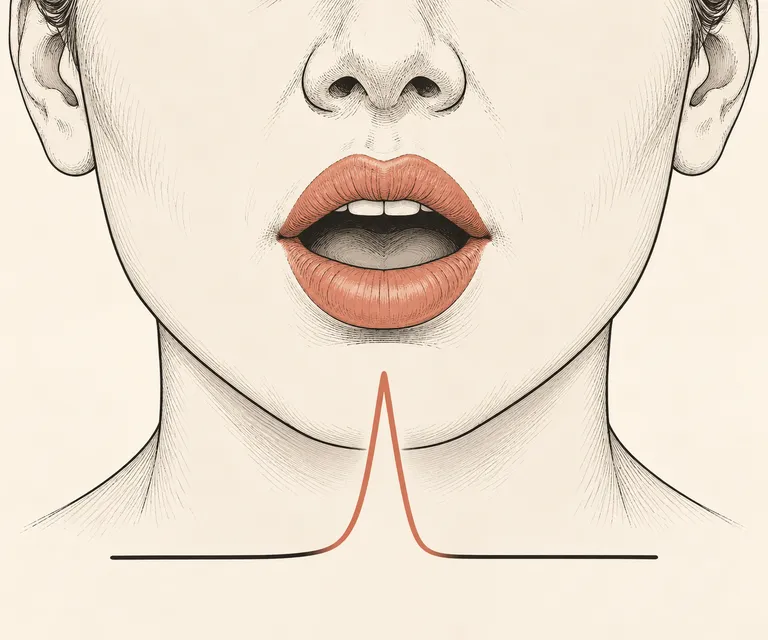
How natives do it
Americans concentrate a sharp pitch jump on one focused word, often the wh-word itself or the last important content word, then drop the pitch steeply right after that peak instead of easing down gradually.
Why it matters
This difference rarely causes confusion since the overall falling pattern still marks the sentence as a wh-question, but adding a clear focal peak makes your questions sound more pointed, engaged, and natural to American listeners.
How the mouth differs
Both languages generally fall across wh-questions, but Spanish spreads the pitch movement gradually and evenly across the sentence, while English concentrates a sharp, focused peak on one key word (often the wh-word or the final content word) before dropping steeply.
Listen for the pattern
An evenly spread pitch pattern instead of one sharp focal peak can make English wh-questions sound flatter or less pointedly curious than natives expect, even though the overall falling shape and grammatical meaning remain clear.
Try these sentences
- Where did you put my keys?pitch peaks sharply on 'KEYS' (the focused word) and drops steeply right after, rather than spreading evenly across the sentence
- What time does the movie start?pitch rises and falls gradually and evenly across the whole sentence, with no single sharp peak marking the most important word
Reader ratings and feedback are coming soon.
Sources (2)
- Wells, J.C. (1982). Accents of English.
- Hualde, J.I. (2005). The Sounds of Spanish. Cambridge University Press.